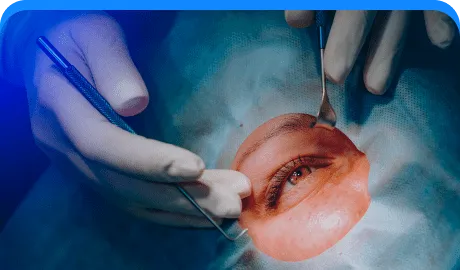
What is Cataract Surgery?
Cataract surgery is a medical procedure that removes the clouded lens from the eye. When an individual is diagnosed with cataracts, their natural lens will have a white cloud formation. This causes blurriness in vision and can also cause sensitivity to bright light.
An eye surgeon or ophthalmologist may suggest a cataract operation procedure based on the severity of your vision impairment, your lifestyle needs, and any long-term conditions like diabetes.
While there may be no harm in waiting for cataract treatment, it is better to check with your doctor to understand the best course of action, as it depends on many factors.
Causes of Cataract
The lens of the eye contains proteins that may degrade and clump together over time, causing cloudiness, known as cataracts.
There are multiple causes, which include:
- Age: The process of this protein breakdown is natural after you cross the age of 40 years. There is a high possibility that you may be diagnosed with cataracts after you cross the age threshold.
- Family History: If you have a family history of cataracts, you may develop the same later in life.
- Diabetes: If you have diabetes and blood sugar isn’t controlled properly, the chances of cataracts occurring are higher.
- Medications: Certain medications taken over a prolonged period of time may cause cataracts as well. This includes the unrestrained use of steroids.
- Treatment of another eye condition: If you have had surgery to collect glaucoma or any other eye condition, the chances of cataracts are high.
- Injury: An eye injury can cause the protein in the eye to break. This may cause haziness, blurred vision, and long-term vision problems.
Doctors and researchers have also said that habits like excessive smoking or drinking alcohol may cause cataracts to form faster.
TRUSTED USER
0
k
POSITIVE RATING
0
%
Types of Cataract
-
Nuclear Cataract: Affected Area of the eye: This type of cataract affects the centre of the lens, which is the nucleus. When diagnosed with a nuclear cataract, you may notice that distant objects appear blurry, while near vision might seem better initially. However, over time, the eye’s lens will turn yellow or brown, worsening vision. This will cause vision to deteriorate, making it difficult to differentiate between colours.
-
Cortical Cataract: This type of cataract affects the edge of the lens, which is the cortex. It starts as a small white spot on the outer edge of the lens. Over time, it grows bigger, and this small dot spreads.
-
Posterior Subcapsular Cataracts: Affected Area of the eye: This type of cataract affects the back of the lens. It starts as a small spot near the back of the lens. It will be in the path of the light. Over time, it grows, which can affect your reading abilities, make you see halos and reduce your vision in glaring light.
-
Congenital Cataracts: Some people are born with or have a spot on the eye’s lens from childhood. Multiple reasons can cause this type of cataract formation, including genetic mutations, maternal infections during pregnancy, or metabolic disorders.
Cataract Diagnosis
While a cataract can be visible to the ophthalmologist, the doctor will still need to diagnose you. Diagnosis is done through the following tests:
- Vision Test: You will need to read out from the chart, which measures how well you can read at various distances. This is called a visual acuity test.
- Pupil Dilation: Your pupils will be dilated with drops, allowing the doctor to examine your retina more clearly.
- Eye Pressure: This test is known as Tonometry, which measures the fluid pressure in your eye.
- Biometry Test: This test will be done to determine which lens needs to be implanted and its power.
Doctors and researchers have also said that habits like excessive smoking or drinking alcohol may cause cataracts to form faster.
The Cataract Procedure
There are 3 ways to do cataract removal. These include:
-
Conventional Cataract Surgery
When you choose to do a conventional cataract surgery, the ophthalmologist will create a rather large incision in the eye and remove the cataract. There is a possibility that stitches may be required after insertion of the new lens. The recovery time is typically around a month, provided the patient follows the prescribed after-care process. The need for spectacles immediately after surgery will depend on the type of lens implanted. This is an almost obsolete cataract procedure now.
-
Micro-incision Cataract Surgery
Unlike the conventional method of cataract eye surgery, the incision is smaller, and ultrasonic energy is used to remove the cloudy lens. Once it is removed, the new lens or the foldable Intraocular Lens (IOL) will be inserted. The recovery time is shorter, and so is the use of spectacles. This is not a laser surgery; the cloudy lens is broken up using ultrasound energy and then removed before replacement.
-
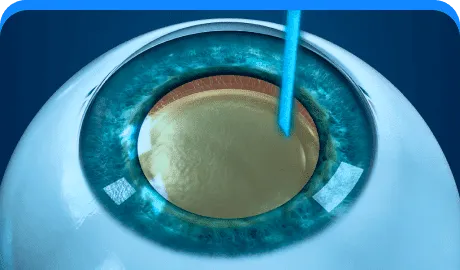
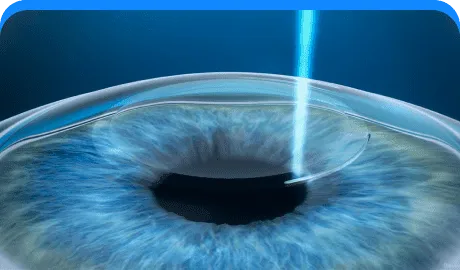
Laser Cataract Surgery
A femtosecond laser is used to create a precise incision and remove the cloudy lens. Once removed, a silicon or acrylic lens is inserted in place of the original lens. The use of a laser provides greater precision in certain steps of the surgery, though it does not necessarily guarantee superior outcomes compared to traditional methods. It may help reduce recovery time, and the need for spectacles afterwards is often reduced.
What We Do
Features Providers and Patients Love
FAQs on Cataract Treatment
Will insurance cover the cost of cataract surgery?
This depends on the insurance provider and the terms and conditions they set. It is better to check with them before you go for the operation procedure.
When is the right time to undergo cataract surgery?
If your vision is hampering your daily activities, speak to your ophthalmologist about a cataract surgery.
Should I allow the cataract to mature before undergoing surgery?
A mature cataract may increase the risks and complications during the surgery. So, it is better to diagnose and treat it as early as possible.
Does Jeevan Sparsh Eye Hospital cater to elderly people with cataracts?
As a Super Speciality Eye Hospital, Jeevan Sparsh caters to elderly people with cataracts.
Are spectacles required after cataract surgery?
The need for spectacles after surgery depends on the type of lens used and the specifics of your vision needs. Your surgeon will guide you on this.
Can young people have cataracts?
While ageing is one of the common causes of cataracts, young people can also have cataracts. It can be genetically passed or due to eye trauma.
Does cataract surgery require anesthesia?
Before cataract eye surgery, the surgeon administers anaesthesia eye drops to numb the eye. Local or general anaesthesia may also be used in some cases, depending on the patient’s status and the situation.
Is cataract surgery painful?
The cataract operation itself isn’t painful, as anaesthetic drops are administered before the surgery. However, there may be some discomfort after the surgery is done.
Are there any restrictions after cataract surgery?
Avoid touching or rubbing the eye immediately. It is also advised to avoid getting water in the eye for a few days.
How long does the cataract surgery procedure take, and does it require admission?
Most cataract treatments are outpatient procedures, and the patient is sent home on the same day. The procedure itself may take a little time. However, the surgeon may ask you to stay in the hospital for some time.
Don't let cataracts hold you back any longer !
Contact us today to schedule a consultation and learn more about our cataract treatment options. Our team is here to answer your questions and help you regain your vision and independence.