WhatsApp Image 2026 05 13 at 16.05.57-Eye Hospital In Pune

Is Your Child Struggling to See Far Away? Understanding Myopia in Children

If your child sits too close to the TV, squeezes their eyes to see the school board, or says distant objects look blurry, it may not be a habit — it could be myopia.

Myopia, also called short-sightedness, is becoming increasingly common in children worldwide. The good news is that it can be detected early and managed well when parents know what to look for.

What Exactly Is Myopia?

Myopia is a condition where near objects look clear, but distant objects appear blurry.

This usually happens when:

  • The eyeball grows longer than normal, or
  • The cornea bends light too strongly

As a result, light focuses in front of the retina instead of directly on it.

That is why children with myopia can read a book clearly, but may struggle to see the board in class.

How Is Myopia Different from Hypermetropia?

Myopia and hypermetropia are opposite focusing problems.

Myopia (Short-Sightedness)

  • Near vision is clear
  • Distance vision is blurry

Hypermetropia (Long-Sightedness)

  • Distance vision may be clearer
  • Near tasks like reading can be difficult
  • Can cause headaches or eye strain in children

Both conditions need proper eye testing, but the treatment approach may differ.

WhatsApp Image 2026 05 13 at 16.05.57-Eye Hospital In Pune

Why Is Myopia Increasing in Children?

Across the world, more children are needing glasses than ever before.

Experts believe the main reasons include:

  • Increased screen time
  • Long hours of reading or close-up work
  • Less outdoor play
  • Reduced natural sunlight exposure
  • Family history of glasses

Children today often spend more time indoors than previous generations, and that change matters.

A Common Story Parents Hear Too Late

Many parents say:

“We thought he was avoiding studies.”

But after an eye check-up, they realize the child simply could not see the board clearly.

Because myopia develops gradually, children may not complain. They assume everyone sees the same way they do.

Signs and Symptoms of Myopia

  1. Watch for these common signs:
  2. Squeezing eyes to see far objects
  3. Sitting close to TV or mobile screens
  4. Complaints of blurred distance vision
  5. Difficulty seeing the school board
  6. Frequent headaches
  7. Eye rubbing
  8. Reduced interest in studies or sports

What Should You Do?

1. Get an Eye Check-Up

A simple vision test can detect myopia early.

2. Encourage Outdoor Time

Daily outdoor play has been shown to help reduce the progression of myopia.

3. Manage Screen Habits

Take regular breaks and avoid continuous close-up screen use.

4. Follow the Right Treatment

Depending on the child, treatment may include:

  • Glasses
  • Special myopia control lenses
  • Eye drops in selected cases
  • Lifestyle changes


Can Myopia Get Worse?

Yes, untreated or progressive myopia can increase over time. Higher myopia may increase the risk of future eye problems later in life.

That is why early detection matters.

Myopia is common, but ignoring it can affect your child’s learning, confidence, and daily life.

If your child is struggling to see far away, losing focus in class, or constantly moving closer to screens, don’t assume it is just behavior.

It may simply be a vision problem that needs attention.

At Jeevansparsh Eye Hospital, we help children detect and manage myopia early — so they can see clearly, learn confidently, and grow better.

Eye Surgery Recovery

Eye Surgery Recovery: When Can You Get Back to Normal?

If you are planning an eye surgery, one of the first questions that comes to mind is simple — When can I get back to normal life?

Whether it is cataract surgery, LASIK, glaucoma treatment, or another eye procedure, most patients recover faster than expected. However, while you may feel better quickly, the eye still needs time to heal properly. Knowing what to expect helps you recover smoothly and avoid unnecessary strain.

Understanding Recovery After Eye Surgery

Every eye surgery is different, and recovery depends on:

  1. Type of surgery performed
  2. Your age and general health
  3. Existing eye conditions
  4. How well post-operative instructions are followed

Some people notice improvement within a day, while others may need a few weeks for full healing.

Typical Recovery Timeline

First 24 to 48 Hours

This is the most sensitive phase.

You may experience:

  1. Mild watering
  2. Light sensitivity
  3. Slight redness
  4. Blurred or fluctuating vision
  5. Mild irritation
  6. During this time:
  7. Rest well
  8. Use prescribed eye drops
  9. Avoid rubbing the eye
  10. Wear protective glasses or shield if advised

First Week

Most patients start feeling comfortable and can return to light routine activities.

You can usually resume:

  1. Walking
  2. Watching TV in moderation
  3. Light household work
  4. Reading for short periods
  5. Desk work, if comfortable

Still avoid:

  1. Heavy lifting
  2. Dust exposure
  3. Swimming
  4. Eye makeup
  5. Strenuous workouts

Two to Four Weeks

Vision usually becomes clearer and more stable during this phase.

Many patients can return to:

  1. Office work
  2. Driving (after doctor approval)
  3. Regular screen use with breaks
  4. Gentle exercise

However, healing may continue internally.

Full Recovery

Depending on the surgery, complete healing may take 2 to 8 weeks.

This is when:

  1. Vision stabilizes fully
  2. The final glasses number may be checked
  3. Most restrictions are removed
  4. Eye makeup and salon activities can usually be resumed after doctor approval
eye surgery Full Recovery timeline

Important Do’s and Don’ts

Do:

  1. Use medicines exactly as prescribed
  2. Attend follow-up visits
  3. Keep the eye clean
  4. Wear post-operative glasses as advised
  5. Take screen breaks regularly

Don’t:

  1. Rub your eyes
  2. Ignore pain or sudden vision drop
  3. Skip medicines
  4. Lift heavy weights too early
  5. Sleep on the side of the operated eye in the early recovery phase
  6. Return to intense activity without advice

When Should You Call Your Doctor?

Contact your eye surgeon immediately if you notice:

  1. Severe pain
  2. Sudden drop in vision
  3. Increasing redness
  4. Flashes or floaters
  5. Excessive swelling or discharge


The Bottom Line

Most people can return to normal daily life surprisingly soon after eye surgery, but the safest recovery is one that is gradual and guided.

Your eye may feel better before it is fully healed.

That is why regular follow-ups and proper care matter just as much as the surgery itself.

At Jeevansparsh Eye Hospital, we guide every patient from surgery day to complete recovery — so you can return to life with confidence and clearer vision.

Imagine waking up and seeing clearly without reaching for your glasses. For millions of people worldwide, LASIK eye surgery has made this a reality.

The desire for a spectacle-free life has never been stronger. Whether it’s the inconvenience of fogging glasses, discomfort from contact lenses, or simply wanting visual freedom, more people are turning to laser eye treatment as a permanent solution.

LASIK surgery has evolved significantly since it was first introduced. What began as a relatively new procedure has become one of the safest and most performed elective surgeries globally. In India, advanced laser technology and skilled ophthalmologists have made high-quality LASIK accessible to patients across the country.

Pune has emerged as a leading destination for LASIK eye surgery. The city is home to experienced eye surgeons, state-of-the-art eye hospitals, and advanced diagnostic equipment, all essential for safe and successful vision correction. Patients from across Maharashtra and beyond choose Pune for its combination of medical expertise and patient-centered care. However, patient concerns against safety, myths about the surgery, and costs lead to surgery hesitations. This blog will help patients resolve their doubts and help them choose the best approach for their health along with their doctor’s consultation.

Is LASIK Eye Surgery Safe? Risks, Myths & Facts

Safety is a legitimate concern when considering any surgical procedure. The good news: modern LASIK is one of the safest elective surgeries available, supported by decades of data and millions of successful procedures worldwide.

The Safety Record: Numbers You Should Know

Success Rates:

Complication Rates:

These statistics reflect decades of accumulated experience with millions of patients.

Common Side Effects (Usually Temporary)

Nearly all side effects are temporary and manageable. Here’s what to expect:

Dry Eyes (most common)

Glare and Halos (nighttime vision)

Light Sensitivity

Scratchy or Gritty Feeling

Undercorrection or Overcorrection (visual outcomes)

Myths vs. Reality: Debunking Common Fears

Myth: “LASIK is still experimental.”

Myth: “LASIK causes blindness.”

Myth: “LASIK is riskier than wearing contacts long-term.”

Myth: “Everyone needs glasses again after LASIK eventually.”

Myth: “LASIK is painful.”

Myth: “You’ll regret LASIK.”

FDA Approval and Regulation

All LASIK lasers used in India and globally must meet rigorous safety standards:

The Bottom Line on Safety

When performed by a qualified surgeon using modern equipment and following strict sterilisation protocols, LASIK is safe. Choosing a well-credentialed clinic with experienced surgeons, advanced diagnostic equipment, and comprehensive postoperative care maximises safety and success.

LASIK Surgery Cost in Pune: What Affects the Price?

Cost is an important consideration when planning LASIK. Understanding what influences pricing helps you make an informed decision, balancing quality and value.

LASIK Pricing in Pune: Current Range

In India, as of 2025, LASIK prices generally range from ₹30,000 to ₹150,000 per eye, depending on technology and provider. In Pune specifically, most clinics quote approximately ₹40,000 to ₹120,000 per eye.

This wide range reflects different technologies, the surgeon’s experience, and clinic facilities. Let’s break down what affects cost:

Key Cost Factors

1. Laser Technology Type

Basic Microkeratome LASIK (blade-assisted, older technique)

Femto (Bladeless) LASIK

Topography-Guided LASIK (Contoura Vision)

SMILE (Small Incision Lenticule Extraction)

PRK (Surface Ablation)

2. Surgeon Experience and Clinic Reputation

3. Facility Quality and Diagnostics

4. Financing Options

The “Bargain LASIK” Trap: Why Cheapest Isn’t Best

Extremely low prices (below ₹25,000 per eye) often indicate corners cut in critical areas:

In LASIK, perhaps more than most medical procedures, “you get what you pay for.” Cutting costs in the wrong areas compromises safety and outcomes.

Long-Term Value: LASIK as an Investment

A crucial perspective: LASIK is a one-time investment in decades of better vision.

10-20 Year Cost Comparison:

Over 10-20 years, consider the cumulative cost of alternatives:

A one-time LASIK investment of ₹150,000-250,000 for both eyes often “pays for itself within a few years” through savings on eyewear. Beyond cost savings, the convenience and improved quality of life over decades represent substantial value.

Making the Cost Decision

Prioritise quality over the lowest price:

Ask the right questions:

Investing a bit more upfront in a quality clinic significantly improves the chances of excellent, complication-free results, making it the smartest long-term financial decision.

Why Choosing the Best LASIK Clinic in Pune Matters

Your LASIK outcome depends not just on the technology but critically on where and by whom it’s performed. Here’s why clinic selection is crucial:

The Role of Surgeon Experience

Research consistently emphasises that an expert surgeon ensures the best long-term vision results. Here’s what to look for:

Credentials and Training:

Surgical Volume:

Success Statistics:

Honest Candidacy Assessment:

Advanced Diagnostic Equipment

Leading clinics invest in sophisticated diagnostic technology:

Corneal Topography/Pentacam:

Wavefront Analysis:

Dry Eye Testing:

Other Essential Tools:

State-of-the-Art Equipment and Sterilization

Laser Platforms:

Modern facilities use:

Safety Protocols:

Infection prevention is critical. Best-practice clinics maintain:

These protocols seem minor, but are essential, and even microscopic contamination could cause serious infection.

Comprehensive Post-Operative Care

Quality clinics provide:

Timely Follow-Up:

Responsive Support:

Lifetime Commitment or Enhancement Policy:

Comprehensive Post-Op Medication and Drops:

Identifying a Top-Tier LASIK Clinic

Ask these critical questions:

  1. Surgeon Experience: “How many refractive surgeries have you personally performed? What are your 20/20 vision rates?”
  2. Technology: “What laser systems do you use? When were they last calibrated? Do they have eye-tracking?”
  3. Diagnostics: “What diagnostic equipment do you use preoperatively? Do you perform wavefront or topography-guided LASIK?”
  4. Safety: “What are your infection rates? Do you use single-use blades? What sterilisation protocols do you follow?”
  5. Outcomes: “What percentage of patients need enhancements? Can you provide success statistics?”
  6. Post-Op Care: “What follow-up visits are included? What’s your emergency contact protocol?”
  7. Enhancement Policy: “If I need a minor touch-up, is it covered?”

Red Flags to Avoid:

The Bottom Line on Clinic Selection

Choosing a top-rated LASIK clinic maximises your chances of an excellent, complication-free outcome. You’re entrusting your vision, one of your most precious senses, to these professionals. Taking time to verify credentials, equipment, outcomes, and care protocols is the best investment you can make in your LASIK success.

Why Jeevan Sparsh Eye Hospital Is Among the Best for LASIK in Pune

Jeevan Sparsh Eye Hospital has built a strong reputation in Pune for refractive surgery and comprehensive eye care. Here’s what distinguishes them in LASIK expertise:

Experienced Refractive Surgeons

Dr Shital S. Lalwani, the lead ophthalmologist, brings:

This level of experience and specialisation ensures sophisticated judgement in patient selection, procedure planning, and managing complex or unusual cases.

Modern Laser Technology and Infrastructure

Jeevan Sparsh emphasises modern infrastructure supporting LASIK excellence. The hospital maintains current-generation laser equipment and diagnostic technology, enabling:

Comprehensive Pre-LASIK Evaluation

A hallmark of quality LASIK centres is thorough preoperative assessment. Jeevan Sparsh’s approach includes detailed eye examinations evaluating candidacy comprehensively, ensuring surgery is only recommended for suitable candidates.

This conservative approach, declining candidates who aren’t ideal for LASIK, reflects ethical practice prioritising patient safety over volume.

Patient-Centric Care and Transparent Guidance

Jeevan Sparsh demonstrates patient-focused values through:

Clear Communication:

Personalised Treatment Planning:

Ethical Practice:

Strong Outcomes and Patient Satisfaction

Reported Performance Metrics:

These metrics indicate consistent positive outcomes and patient experiences.

Lifetime Commitment Policy

Jeevan Sparsh maintains a “Lifetime Commitment Policy” reflecting long-term dedication to patient care:

Safety Standards and Best Practices

Jeevan Sparsh’s reputation and modern infrastructure suggest adherence to strict sterilisation protocols, single-use instruments, and infection-prevention measures consistent with leading international LASIK standards.

Why This Matters for Your LASIK Decision

If you’re considering LASIK in Pune, Jeevan Sparsh’s combination of experienced surgeons, modern technology, comprehensive evaluation, patient-centred communication, and strong outcomes suggests they’re among the top choices for safe, effective vision correction.

Their track record and commitment to quality align with expert recommendations emphasising surgeon credentials and technology as predictors of success. Patients consistently cite their clear guidance, thorough evaluations, and positive outcomes as reasons for trust.

LASIK vs Spectacles & Contact Lenses: A Long-Term Comparison

Choosing LASIK often comes down to comparing it with your current vision correction methods. Here’s how LASIK stacks up against glasses and contacts across multiple dimensions:

Cost Comparison Over 10-20 Years

Spectacles (Glasses):

Contact Lenses:

LASIK Surgery:

The Financial Bottom Line: A single LASIK investment of ₹150,000-250,000 “pays for itself within a few years” through savings on eyewear. By year 10, LASIK becomes the most cost-effective option by a significant margin. Over 20 years, the savings are substantial, potentially ₹1,00,000 or more.

Lifestyle Freedom and Convenience

Spectacles (Glasses):

Disadvantages:

Advantages:

Contact Lenses:

Disadvantages:

Advantages:

LASIK Surgery:

Advantages:

Disadvantages:

Safety Comparison

Spectacles:

Contact Lenses:

LASIK:

The Safety Bottom Line: LASIK is significantly safer than long-term contact lens wear in terms of serious infection risk. It’s equally as safe as glasses medically, with the added benefit of permanent correction.

Visual Outcomes and Quality of Life

This is how LASIK stacks up against contacts and glasses in various scopes.

FactorSpectaclesContact LensesLASIK
Initial CostLowLowHigh
10-20 Year Cost₹40k-1L₹50k-1.2L₹1.5-2.5L (one-time)
Cost RecoveryN/AN/A3-5 years
ConvenienceLow (must carry)Medium (daily care)High (no maintenance)
Peripheral VisionReducedFullFull
Sports/Activity FreedomLowMediumHigh
Medical SafetyVery HighMedium-High*Very High
Infection RiskNone1% annual<1% lifetime
Vision QualityGoodGood-ExcellentExcellent (90% achieve 20/20)
Visual FreedomLowMediumHigh
Travel ConvenienceHighLowHigh
Patient Satisfaction~75-80%~70-85%~96-98%

*Contact lens infection risk is a significant consideration for long-term users.

The Decision: Which Is Right for You?

Choose spectacles if:

Choose contact lenses if:

Choose LASIK if:

For many people, especially active individuals seeking long-term value and lifestyle freedom, LASIK offers unmatched benefits. However, the right choice depends on your individual circumstances, eye health, prescription stability, and lifestyle priorities.

Frequently Asked Questions About LASIK Surgery

Patients often have similar questions when considering LASIK. Here are answers to the most common ones:

Yes and no; it’s complicated.

LASIK permanently reshapes your cornea, so the refractive correction is permanent. Most patients enjoy years of excellent vision without regression.

However, two natural processes can affect your vision over time:

  1. Presbyopia (age-related change): After age 40, everyone’s eye lens naturally loses flexibility. This affects near vision, not distance vision. Most people over 40 eventually need reading glasses, regardless of whether they had LASIK or wore glasses their entire life. This isn’t a LASIK failure; it’s a universal ageing process. 
  2. Mild regression (rare): A small percentage of patients experience slight regression, especially those with very high prescriptions. This is usually minor and stable (not progressive) and can be corrected with a minor touch-up procedure if needed. 

Long-term stability data: Studies show excellent stability. Only about 1% of patients lose two or more lines of vision over decades. For the vast majority, LASIK results are permanent.

Failure is extremely rare.

Screenshot 129-Eye Hospital In Pune

“Failure” in LASIK terms usually means not achieving the intended 20/20 result. However, even this is uncommon with modern lasers and experienced surgeons:

Serious LASIK failure (significant vision loss) is extraordinarily uncommon, below 1% with experienced surgeons using modern equipment.

Choosing an experienced surgeon with a strong track record is the best way to minimise any risk of unsatisfactory outcomes.

Minimum age: You must be at least 18 years old (the FDA minimum).

Optimal age: Many surgeons recommend waiting until the mid-20s when your prescription typically stabilises. Your eyes may still be changing in your late teens and early twenties, which could affect LASIK results.

Maximum age: There’s no upper age limit for healthy eyes. Patients in their 50s, 60s, and even 70s successfully undergo LASIK.

Important note for 40+: If you’re over 40, know that presbyopia (age-related near-vision changes) is inevitable. You’ll likely need reading glasses eventually, but LASIK doesn’t cause this; it’s universal ageing.

Timeline for candidacy:


Unlikely, but minor changes can happen.

LASIK permanently reshapes your cornea, so significant regression of the correction is uncommon. However:

Enhancement procedures: If a meaningful refractive change occurs and bothers you, a small enhancement procedure can refine your vision. Many top clinics include enhancement policies in their long-term commitment.

The practical answer: For the vast majority, LASIK results are stable long-term without regression. Minor changes are manageable and rare.

Absolutely yes.

LASIK is equally safe for computer professionals, programmers, office workers, and anyone else. Extensive screen time doesn’t contraindicate LASIK.

However, some considerations:

The reality: Millions of IT professionals, programmers, engineers, and office workers worldwide have had LASIK and are very satisfied. Heavy computer use is one of the most common occupations among LASIK patients.

Yes, for certain specific situations.

If you fall into one of these categories, alternative procedures may be safer or more effective than LASIK:

Thin Corneas:

Keratoconus or Irregular Cornea:

Severe or Uncontrolled Dry Eye:

Very High Prescription:

Age 40+ with Presbyopia as Primary Need:

Other eye diseases:


Always discuss all options with your surgeon during the preoperative evaluation. Your surgeon will:

The right procedure is the one that fits your eye anatomy, health status, and lifestyle, not necessarily the most common or well-known option.

How to Prepare for LASIK Surgery

Proper preparation ensures the smoothest surgical experience and optimal recovery. Here’s how to get ready:

Pre-Surgery Contact Lens Discontinuation

Critical timing: contacts distort your corneal shape.

Why this matters: Contacts reshape your cornea temporarily. If measurements are taken while wearing contacts or too soon after stopping them, your prescription won’t be accurate, leading to suboptimal LASIK results.

During the contact-free period: Wear glasses exclusively to let your cornea return to its natural shape.

Fill Prescriptions and Gather Supplies

Do this before surgery day:

Having everything ready reduces stress on surgery day and ensures you’re prepared for postoperative care immediately.

Follow Pre-Operative Instructions

One week before surgery:

Three days before surgery:

The morning of surgery:

Mental Preparation and Setting Expectations

Understanding the experience:

Realistic recovery expectations:

Managing anxiety:

Arrange Transportation and Post-Op Support

Non-negotiable:

First 24 hours:

Following days:

Questions to Ask Before Surgery

Come to your preoperative consultation with these questions:

Thorough preparation and clear expectations set the stage for a smooth, successful LASIK experience.

Conclusion: Clear Vision Begins with the Right LASIK Care

Choosing LASIK is an important decision affecting one of your most precious senses. The journey to better vision begins with informed planning, expert evaluation, and honest communication with qualified professionals.

The Evidence Is Clear

When performed by skilled surgeons using modern, FDA-approved laser technology, LASIK safely delivers high success rates and excellent patient satisfaction:

These outcomes aren’t accidents; they result from decades of technological refinement, accumulated surgical experience, and stringent safety standards.

Your Role in the Process

You have important responsibilities:

  1. Educate yourself: Read this guide, research available options, and understand both benefits and realistic limitations. 
  2. Seek thorough evaluation: Don’t choose LASIK based on cost or convenience alone. Get a comprehensive preoperative evaluation confirming you’re a good candidate. 
  3. Ask questions: Interview potential surgeons. Ask about their experience, outcomes, technology, and safety protocols. A reputable surgeon welcomes detailed questions. 
  4. Prioritise quality: Invest in a well-credentialed clinic with experienced surgeons, advanced diagnostic equipment, and comprehensive postoperative care. The slightly higher upfront cost yields significantly better outcomes and peace of mind. 
  5. Prepare thoroughly: Follow all pre-operative instructions, arrange support systems, and set realistic expectations. Preparation contributes to smooth recovery. 
  6. Commit to postoperative care: Use prescribed drops consistently, attend all follow-up appointments, and follow your surgeon’s guidance during healing. 

Making Your Decision

Consider LASIK if:

Explore alternatives if:

The Long-Term Perspective

LASIK isn’t just about clear vision today; it’s an investment in your visual comfort and quality of life for decades to come. Most LASIK patients report not just improved vision but improved quality of life: the freedom to wake up seeing clearly, to participate in activities without worrying about glasses or contacts, and to travel without special equipment.

Beyond the financial aspect (LASIK paying for itself within years through eyewear savings), the personal aspect matters deeply: freedom, convenience, confidence, and independence from external corrective devices.

Next Steps: Toward Your Clear Vision

If you’re considering LASIK:

  1. Schedule a comprehensive evaluation: Contact a reputable LASIK clinic offering thorough diagnostic testing and honest candidacy assessment. 
  2. Ask detailed questions: Meet your surgeon. Understand their experience, your specific eye characteristics, the recommended procedure, expected outcomes, and a realistic timeline. 
  3. Make an informed decision: Armed with complete information about your eyes and options, decide whether LASIK aligns with your goals and circumstances. 
  4. Commit to quality: Choose a clinic emphasising surgeon experience, diagnostic precision, advanced technology, and comprehensive postoperative care over the lowest cost. 
  5. Prepare thoroughly: If you proceed, follow all pre-operative instructions and mentally prepare for the experience. 

The goal isn’t just clear vision; it’s a comfortable, long-lasting result achieved safely by skilled professionals using proven technology. With informed choice and the right clinical team, you’ll be well on your way to enjoying the freedom and clarity that LASIK offers.

Your vision is worth the investment in expertise and quality. Clear vision begins with the right care.

For more information or to schedule a consultation, contact Jeevan Sparsh Eye Hospital.

Millions of people worldwide wear glasses or contact lenses to correct their vision. But what if there was a way to achieve clear sight without them…permanently?

LASIK eye surgery has revolutionised how people correct vision problems. In India, the demand for LASIK continues to grow rapidly. An estimated 600,000 to 700,000 LASIK procedures are performed annually across the country, with growth rates of 8-10% each year. This rising popularity isn’t surprising: LASIK offers freedom from glasses and contacts, fast recovery, and proven safety when performed by experienced surgeons.

Pune has emerged as a significant LASIK hub in India. The city is home to advanced eye care clinics equipped with state-of-the-art laser technology, experienced ophthalmologists, and competitive pricing compared to larger metros like Delhi and Mumbai. Whether you’re a young professional tired of managing glasses during work, an active person frustrated by contact lens hassles, or someone simply seeking clearer vision, Pune offers world-class LASIK options.

This guide walks you through everything you need to know about LASIK: what it is, who qualifies, what happens on surgery day, recovery expectations, safety facts, costs, and how to choose the right clinic. Our goal is to help you make an informed decision about your vision correction options.

What Is LASIK Eye Surgery? Understanding the Basics

LASIK stands for Laser-Assisted In Situ Keratomileusis. While the name sounds complex, the concept is straightforward: a laser is used to reshape the clear outer layer of your eye (the cornea), so light focuses properly on the retina at the back of your eye.

Think of your eye like a camera. Light enters through the front and should focus precisely on the retina to create a clear image. When you have refractive errors such as nearsightedness, farsightedness, or astigmatism, light doesn’t focus exactly where it should. This is why you need glasses or contacts to bend light rays into the right position.

LASIK fixes this by permanently reshaping your cornea. Once healed, your eye naturally focuses light correctly. For most people, the results last a lifetime.

How Does Laser Reshape the Cornea?

A LASIK procedure follows this basic sequence:

  1. Creating a flap: The surgeon uses a laser (called a femtosecond laser) to create an extremely thin, precise flap on the surface of your cornea. This flap is then gently lifted, like opening a book.

  2. Reshaping the cornea: An excimer laser (a specialised ultraviolet laser) is then applied to the exposed corneal tissue underneath. This laser removes microscopic layers of tissue to reshape the cornea.

  3. Repositioning the flap: Once reshaping is complete, the flap is carefully placed back. It naturally adheres to the underlying tissue without needing stitches.

The entire process takes about 15-20 minutes for both eyes. You remain awake throughout and feel no pain, though you may feel mild pressure.

What Vision Problems Does LASIK Correct?

LASIK can correct three main types of refractive errors:

Myopia (Nearsightedness) If you’re short-sighted, objects in the distance appear blurry while close objects are clear. This happens because light focuses in front of the retina. LASIK flattens the cornea, moving the focus point back onto the retina. Studies show over 90% of short-sighted patients achieve 20/20 vision or better after LASIK.

Hyperopia (Farsightedness) Farsighted people see distant objects clearly but struggle with close-up vision. Light focuses behind the retina in this case. LASIK steepens the cornea to bring the focus forward onto the retina, correcting near vision.

Astigmatism occurs when the cornea has an irregular shape, causing blurred vision at all distances. LASIK smooths the cornea into a more uniform shape, sharpening vision overall. Astigmatism can occur alone or alongside myopia or hyperopia.

Each LASIK treatment is customised to your specific prescription and eye anatomy. Advanced diagnostic equipment measures your cornea in minute detail, allowing surgeons to plan a treatment tailored precisely to your eyes.

Types of LASIK & Advanced Laser Eye Treatments in Pune

Modern eye clinics in Pune offer several LASIK variations and advanced options. The type recommended for you depends on your prescription, corneal characteristics, lifestyle, and specific visual goals.

Femto (Bladeless) LASIK

How it works: Instead of using a metal blade to create the corneal flap, a femtosecond laser creates the flap with extreme precision. The laser makes thousands of tiny pulses in the exact pattern needed, creating a perfect flap without any blade contact.

Ideal for: Most LASIK candidates, especially those seeking the highest precision available.

Key advantages:

Recovery time: Vision improves within 24 hours; full stability by 1 month.

Limitations: Slightly more expensive than blade-based LASIK, though many patients find the added precision worthwhile.

Topography-Guided LASIK (Contoura Vision)

How it works: This advanced technique uses detailed corneal mapping technology to create a completely customised treatment plan. The system captures approximately 22,000 data points across your cornea, identifying even subtle irregularities invisible to the naked eye. The laser reshaping is guided by this detailed map, correcting not just your basic prescription but also fine imperfections in corneal shape.

Ideal for:

Key advantages:

Recovery time: Similar to standard LASIK, vision clears within 24 hours.

Limitations: Premium pricing due to advanced technology; requires specialised equipment.

SMILE (Small Incision Lenticule Extraction)

How it works: SMILE is a newer, all-laser technique that doesn’t require creating a flap. Instead, the femtosecond laser carves a thin, lens-shaped piece of tissue (called a lenticule) inside your cornea. The surgeon removes this lenticule through a tiny 2-4 mm incision. The cornea reshapes as the lenticule is removed.

Ideal for:

Key advantages:

Recovery time: As fast as standard LASIK; many patients notice clear vision within 24 hours.

Limitations: Currently approved only for myopia and myopic astigmatism (not for farsightedness). Not all clinics offer it yet, though Pune’s leading centres do.

PRK (Photorefractive Keratectomy)

How it works: PRK is an older technique where the surgeon removes the cornea’s outer layer (epithelium) entirely, then uses a laser to reshape the underlying corneal tissue. No flap is created.

Ideal for:

Key advantages:

Recovery time: Longer than LASIK, typically 3-7 days with a bandage contact lens; full vision clarity takes several weeks.

Limitations: Recovery is slower and slightly more uncomfortable than LASIK or SMILE. Requires more postoperative medication and monitoring.

Quick Comparison: Which LASIK Is Best for You?


ProcedureBest ForKey StrengthRecoveryCost
Femto-LASIKMost candidates, standard prescriptionsPrecision, safety, speed24 hoursModerate
Contoura VisionAstigmatism, nighttime vision issuesMaximum customization24 hoursHigher
SMILEHigh myopia, dry eye risk, and an active lifestylePreserves corneal strength24 hoursHigher
PRKThin corneas, high-risk jobsSafe for thin corneas3-7 daysVariable

Your surgeon will recommend the best option after a thorough eye evaluation. There’s no “best” LASIK universally, only the best for your specific eyes and needs. Contact us for a check-up

Who Is the Right Candidate for LASIK Surgery?

Not everyone qualifies for LASIK, and that’s okay. The decision isn’t about age or prescription strength alone; it’s about overall eye health and specific anatomical factors. A thorough evaluation determines candidacy.

Essential LASIK Eligibility Criteria

Age

Stable Prescription

Corneal Health and Thickness

Overall Eye Health

Good eye health is essential. Conditions that may disqualify you or require alternative procedures include:

General Health Considerations

The Comprehensive Pre-LASIK Evaluation

Before any LASIK surgery, you’ll undergo an extensive eye examination. According to ophthalmology standards, “the preoperative LASIK evaluation is an extremely important and structured examination…it is one of the most comprehensive ocular exams done today.”

This evaluation typically includes:

This thorough approach ensures you’re truly a good candidate and that the chosen procedure is safe and appropriate for your eyes.

Pre-LASIK Eligibility Checklist

Do you qualify for LASIK? Check these factors:

If you have questions about any of these factors, a pre-operative consultation will clarify your specific situation.

Step-by-Step LASIK Procedure: What Happens on Surgery Day

LASIK typically takes 15-20 minutes total for both eyes. Here’s what to expect from arrival through discharge.

Before You Arrive: Final Preparation

The night before surgery:

On surgery day morning:

Step 1: Pre-Operative Preparation (15-30 minutes)

You’ll arrive at the clinic and be escorted to the pre-operative area. Here’s what happens:

This is your last opportunity to voice concerns. Don’t hesitate to ask questions.

Step 2: Anesthetic Drops (1-2 minutes)

Your eyes are numbed with preservative-free anaesthetic drops. These work within seconds. You’ll feel no pain during surgery, though you may feel mild pressure or vibration.

The numbing is so effective that many patients are surprised they feel nothing when the surgeon begins.

Step 3: Flap Creation (10-15 seconds per eye)

For Femto-LASIK (the most common type in Pune):

You remain awake and alert throughout. There’s no pain, only awareness of pressure and movement.

Step 4: Corneal Reshaping (10-20 seconds per eye)

Now the excimer laser takes over:

No pain. No sensation except awareness that something is happening.

Step 5: Flap Repositioning (2-3 minutes)

Once reshaping is complete:

The repositioning is like closing a book, careful but straightforward.

Step 6: Immediate Post-Op Care (5-10 minutes)

Discharge and Going Home

Most importantly: You can’t drive, so having reliable transportation arranged in advance is essential.

Is LASIK Painful?

No. The numbing drops make pain impossible during surgery. You may feel:

These sensations are normal and quickly manageable with prescribed drops. Actual pain is extremely rare and would indicate a problem requiring immediate medical attention.

Recovery After LASIK: Healing Time & Vision Improvement

One of LASIK’s major advantages is rapid recovery. Most patients see dramatic vision improvement within hours and return to normal activities within days.

Vision Recovery Timeline

First 24 Hours: The Dramatic Improvement

Most patients experience a remarkable change within the first day:

However, some patients experience mild fluctuation in vision during the first day. This is temporary and resolves as the cornea continues healing.

Week 1: Stabilization and Return to Normal

Weeks 2-4: Continued Healing

Months 2-3: Final Stabilization

Long-Term (6+ months and beyond)

LASIK results are permanent in the sense that the corneal reshaping doesn’t change. However, natural age-related eye changes still occur:

Post-LASIK Care: Essential Do’s and Don’ts

Proper postoperative care is crucial for optimal healing and to avoid complications. Follow these guidelines carefully.

DO’s (Follow These)

Vision and Eye Care:

Activity and Rest:

DON’Ts (Avoid These)

Eye Protection:

Water and Moisture:

Physical Activity:

When Can You Resume Normal Activities?

Timeline for Activity Resumption:

ActivityTimelineNotes
Light walking1-3 daysLow-impact, safe immediately
Office/desk work1-2 daysFine once vision is clear for screens
Driving1-3 daysOnce vision is 20/40 or better and cleared by the surgeon
Light exercise3-7 daysWalking, yoga, light stretching
Gym/weight training2-4 weeksAs cleared by the surgeon, avoid heavy lifting for longer periods
Swimming2-3 weeksPool, ocean, and hot tubs
Contact sports2-4 weeks+Higher-risk activities require longer clearance
Eye makeup1-2 weeksAvoid during initial healing
Facial treatments1-2 weeksFacials, massage near the eyes

Everyone heals at their own pace. Your surgeon will provide personalised guidance based on your specific healing progress.

Have you noticed that reading the newspaper is harder than before? Do headlights seem too bright when you’re driving at night? Maybe colours don’t look as vibrant as they used to?

These could be signs of cataracts, a common condition that affects millions of people. And if you have diabetes, it’s something we need to pay extra attention to.

At Jeevansparsh Eye Hospital in Pune, we see patients every day who’ve been putting off that eye check-up. We get it…life is busy, and sometimes these changes happen so slowly that you barely notice. But here’s the thing: understanding what’s happening with your eyes is the first step to protecting your vision.

So, What Exactly is a Cataract?

Think of your eye’s lens like a camera lens. When it’s clear, light passes through perfectly, and you see sharp images. A cataract occurs when the lens becomes cloudy, like looking through a foggy window.

Your lens sits just behind the coloured part of your eye (the pupil). Over time, proteins in the lens can clump together or break down. Light gets scattered instead of passing through clearly. The result? Blurry vision, faded colours, and annoying glare from bright lights.

Most cataracts develop slowly. You might not even realize how much your vision has changed until you look back and think, “When did things get so blurry?”

Why Diabetes Patients Are at Higher Risk For Cataracts?

If you’re managing diabetes, you’re already juggling a lot. Now here’s something important to know: diabetes roughly doubles your chances of developing cataracts.

Here’s why. High blood sugar doesn’t just affect your overall health; it creates stress inside your eye’s lens, too. Extra glucose gets converted into a substance that pulls water into your lens cells, changing their structure. Oxidative stress adds to the mix, and you’ve got a recipe for early cataract development.

Many of our diabetic patients at Jeevansparsh develop cataracts at younger ages than they expected. That’s why regular eye check-ups are essential.

And There’s More You Should Know

After cataract surgery, diabetic eyes are more likely to develop swelling in the macula, the part of your retina responsible for sharp central vision. This swelling can blur your vision and limit how much the surgery helps.

Studies show this happens several times more often in people with diabetes. But don’t worry, this is exactly why we plan so carefully before your surgery and why thorough retinal checks are part of our standard care.

Are You Experiencing These Warning Signs?

Pay attention if you notice:

Special note if you have diabetes: Does your vision seem to change from day to day? Blood sugar fluctuations can temporarily affect how your lens focuses. If you’re noticing new blurriness, come see us before ordering new glasses. The issue might not be your prescription at all.

Who’s Most at Risk?

Age is the biggest factor! Cataracts are simply more common as we get older. But certain things speed up the process:

When several of these factors come together, cataracts can develop faster. The good news? You can control many of these risk factors.

What to Expect During Your Eye Exam at Jeevansparsh

When you visit Jeevansparsh, we’ll do a thorough assessment. Here’s what that includes:

Vision test: We’ll check how clearly you can see using the standard eye chart, you know the one!

Detailed lens examination: Using a special microscope called a slit lamp, we’ll get a close look at your lens and the front of your eye.

If you have diabetes, we’ll also do:

Retinal examination: We’ll use drops to dilate your pupils so we can see the back of your eye clearly.

OCT scan: This is an advanced imaging technology that gives us a detailed cross-section of your macula. It’s completely painless and can detect tiny amounts of fluid or swelling that we might miss otherwise. For diabetic patients, this test before surgery can make a real difference in planning their care and preventing complications.

How We Keep Your Care Safe and Personalized

Before we recommend surgery or any treatment, we look at the complete picture: your recent blood sugar readings, HbA1c results, OCT images, retinal photos, medications you’re taking, and notes from previous visits.

We keep a careful track of all this information, when each test was done, what the results mean, and how confident we are in each piece of data. It helps us make the safest, smartest decisions for your specific situation. It also means we can explain our recommendations clearly when we sit down with you, and everything is properly documented for your records.

What Comes Next?

This is just the beginning of the conversation. Understanding cataracts is one thing; knowing what to do about them is another.

We’re here to walk you through:

Why Acting Early Makes All the Difference for Cataracts

If you have diabetes, catching cataracts early is essential for protecting your long-term vision.

Here’s what happens when we act early: your eye has more time to stay healthy, and we have better information to plan your care properly. Studies show that vision loss from cataracts in people with diabetes is often preventable with timely attention. Early detection stops severe vision problems before they start, and surgery done at the right time restores clear vision for most patients.

What this means for you: When we spot changes sooner, we can schedule surgery before the cataract becomes too dense and harder to remove. We can also take clear pictures of your retina beforehand, which helps us protect your macula—the part of your eye most vulnerable when you have diabetes.

Protecting Your Retina

This is one of the biggest reasons to come in early. Diabetic eyes can sometimes react to cataract surgery with swelling in the center of the retina. But when we control any existing retinopathy and monitor you closely, we keep this risk very low.

At Jeevansparsh, we carefully track your OCT scans, blood sugar records, and retinopathy stage. This helps us choose the safest time for your surgery and gives you the best chance of a smooth recovery.

Your Step-by-Step Care Plan

At Jeevansparsh, we believe in clarity. Here’s exactly what to expect at each stage of your cataract care.


Stage 1: Early Monitoring and ManagementRegular check-ups: You’ll need dilated eye exams so we can watch how your cataract is progressing and catch any retinal changes early.
Stabilize your blood sugar: If you notice your vision fluctuating day to day, it’s often due to blood sugar changes. Getting your sugar levels steadier usually improves daily clarity right away.
Simple adjustments that help: Better lighting at home, anti-glare glasses, and keeping your HbA1c closer to recommended levels all ease the strain on your eyes.
Stage 2: Getting Ready for SurgeryTreating the retina first (if needed): If you have retinopathy or macular swelling, we may recommend laser treatment or injections before surgery.
Stabilizing your blood sugar: Extreme highs or lows increase surgical risk, so we’ll work with you to get your levels in a safe range.
Choosing the right lens: We’ll discuss which intraocular lens is best for you, especially considering your retinal health. This conversation is tailored to your specific situation.
Pre-Surgery Checklist:

  • Complete eye examination and OCT scan
  • Blood sugar and HbA1c are within a safe range
  • Any retinal issues are treated and stable
  • Medications reviewed and adjusted if needed
  • Questions answered, and expectations discussed
Stage 3: Surgery DaySmall but important steps keep you safe:

  • You may need to adjust your diabetes medications based on our instructions
  • We’ll check your blood pressure and sugar before the procedure
  • Some patients receive special eye drops for added retinal protection
  • The procedure itself is typically quick and painless
Stage 4: Your Recovery JourneyFirst few days:

  • Use your eye drops exactly as prescribed
  • Avoid strenuous activities and protect your eyes from dust and injury
  • Rest when needed, but you can usually return to light daily activities quickly
Your follow-up schedule:

  • Day 1: Quick check to ensure healing has started well
  • Week 1: Detailed examination to monitor progress
  • Month 1: Assessment of final visual results
  • Ongoing: Regular retina checks if you have diabetes

Special note for diabetic patients: We’ll do an early OCT scan after surgery to catch any subtle swelling before it affects your vision. This allows us to respond quickly if needed.

Stage 5: Long-Term Eye Health

Your relationship with Jeevansparsh doesn’t end after surgery. We’ll continue monitoring your retinal health and overall vision.

Sometimes, months or years later, the lens capsule behind your implant can become cloudy, which is called posterior capsular opacity. If this happens, a simple, quick laser procedure restores your clarity. No second surgery needed.

Simple Daily Habits That Protect Your Vision From Cataracts

Small changes in your daily routine can make a big difference when you’re managing cataracts and diabetes together.

  1. Never miss your eye drops. After surgery, consistent use keeps inflammation down and lowers the chance of macular swelling. Set phone alarms or stick a chart on your fridge to stay on track.
  2. Keep your blood sugar steady. Predictable blood sugar means more stable vision. Regular meals, consistent medication timing, and glucose monitoring all help. Share your logs with your doctor so they can connect changes in your vision to your sugar levels.
  3. Protect your eyes from bright light. Good quality sunglasses with UV protection and a wide-brimmed hat reduce glare and daily discomfort—especially helpful if you already notice halos around lights.
  4. Let your family help. Caregivers can remind you about drops, accompany you to appointments, and watch for warning signs like sudden blurriness or redness.
  5. Never skip an appointment. Missed visits mean we might miss early signs of problems. Every check-up helps us build a complete picture of how your eye is healing.

Why You Shouldn’t Wait

Cataracts progress faster in people with diabetes because years of high blood sugar create stress inside your lens. When cataracts become very dense, it’s harder for us to see your retina clearly, and subtle changes might go unnoticed.

The good news? Modern cataract surgery offers excellent results. With early planning and well-controlled blood sugar, we keep risks low. At Jeevansparsh, we use advanced imaging to choose exactly the right moment for your surgery, not too early, not too late.

Acting early protects your retina, makes surgery easier and safer, and helps you maintain clear vision for years to come. Your vision is too precious to risk by waiting.

Concerned about your vision?

Visit Jeevansparsh Eye Hospital in Pune for a comprehensive eye examination with our experienced ophthalmology team.

Your eyes deserve expert care. Call us today to schedule your appointment.

What Makes Glaucoma So Dangerous?

Glaucoma is feared not because it causes pain or discomfort, but because it causes almost no symptoms until vision damage has already occurred.

Many people assume that eye problems will cause blurred vision or discomfort from the start. Glaucoma behaves differently. It affects the optic nerve gradually and quietly, and by the time most patients notice a problem, significant permanent loss has already happened.

The most important message about glaucoma is simple: early detection saves vision.


Understanding the Disease

Glaucoma is a group of conditions that damage the optic nerve, typically due to increased pressure within the eye. Fluid builds up within the eye and presses on the nerve. But it is equally important to understand that glaucoma can occur even when eye pressure is normal, which is why depending on symptoms alone is risky.

Anyone can develop glaucoma, but age over 40, a family history of glaucoma, diabetes, high eye power, thyroid problems, long-term steroid use and previous eye injuries significantly increase risk.

Why Patients Do Not Notice Glaucoma Early

When cataracts develop, vision becomes cloudy or hazy and the person realises something is wrong.

Glaucoma works differently. It first affects side vision, which the brain automatically compensates for. Patients feel like they are seeing normally, even as peripheral sight slowly narrows. Central vision is affected only in the later stages, and the damage cannot be reversed.

Many patients discover they have glaucoma only when it has progressed enough to interfere with driving or navigating crowded spaces.

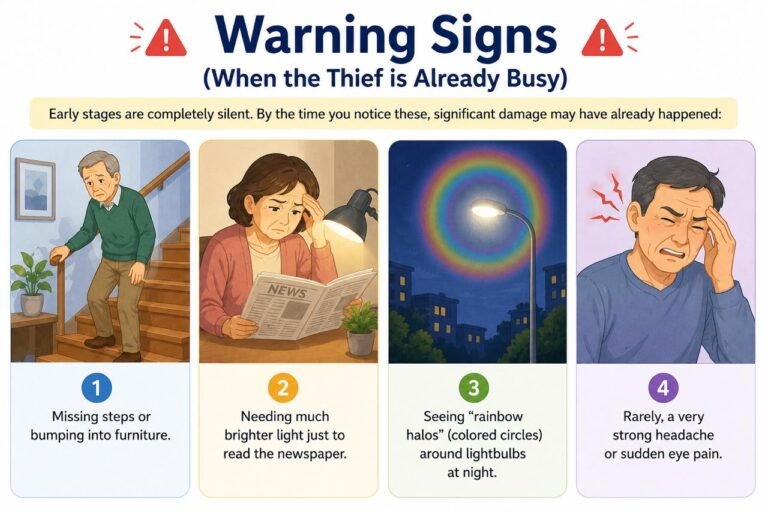
Warning Signs to Watch For

Most early stages are silent. Later stages may show:

  • Loss of side vision
  • Needing more light for reading
  • Sudden halos around lights
  • Difficulty walking without bumping into objects
  • Rarely, strong headache or eye pain in sudden pressure spikes

Any suspicion should be taken seriously and evaluated at once.

routine eye check.jpg-Eye Hospital In Pune

Comprehensive Diagnosis Is the Best Protection
Because glaucoma progresses quietly, routine eye check-ups matter. A simple vision test is not enough to detect glaucoma.

Screening at Jeevan Sparsh Eye Hospital includes evaluating eye pressure, analysing the optic nerve, measuring peripheral vision through a visual field (perimetry) test, corneal thickness measurement, and OCT scans to detect early nerve fibre thinning. These tools help identify glaucoma before symptoms appear and determine how aggressively it might progress.

Treatment Protects the Remaining Vision

While lost vision cannot be restored, early treatment can stop or slow down further damage significantly. Treatment options include:

  • Pressure-lowering eye drops
  • Laser procedures to improve drainage
  • Minimally invasive glaucoma surgery for selected cases
  • Traditional glaucoma surgery for advanced disease

Every treatment plan is customised based on the patient’s age, daily routine, pressure levels, and optic nerve condition. Consistent follow-up appointments are essential to protect long-term vision.


Do Not Wait for Symptoms

People often postpone glaucoma screening because they “feel fine.” Unfortunately, good vision does not mean good optic nerve health. Annual preventive screening, especially after age 40 or when risk factors are present, is the strongest protection against irreversible vision loss.

glaucoma.jpg-Eye Hospital In Pune

Safeguard Your Sight for Life

Glaucoma does not have to steal vision. With early screening and timely treatment, most people live their entire life with functional vision. The safest step is not waiting for symptoms, but scheduling regular eye examinations.

Jeevan Sparsh Eye Hospital provides comprehensive glaucoma evaluation and personalised treatment to protect vision long-term.

If you have risk factors or simply want to stay proactive about your eye health, consider a glaucoma screening appointment. Preserving sight today can protect independence, safety, and quality of life for decades.

The Rise of Dry Eye in Modern Lifestyles

Most people today assume dry eye is only caused by excessive screen time. While phones and laptops definitely play a role, they are not the full story.

Dry eye disease has become a lifestyle-driven condition affecting office workers, homemakers, senior citizens, young adults and even people with limited digital exposure. At Jeevan Sparsh Eye Hospital, many patients arrive convinced that “too much mobile” is the problem, but the root cause is often far more complex.

Dry eye occurs when the eyes do not produce enough tears or when tears evaporate too quickly. The discomfort builds gradually, so many people ignore it until it starts affecting daily tasks like reading, driving or wearing contact lenses.

More Than Screens – Understanding the Real Triggers

It is true that device use reduces blinking and increases strain. But modern environments have introduced other strong contributors to dry eye. Indoor air conditioning and heaters create low-humidity air that dries out the tear film. Pollution, allergens and dust irritate the eye surface outdoors. Dietary habits such as low hydration and low omega-3 intake reduce tear quality. Hormonal shifts, especially during menopause, can decrease natural tear production. Some medical conditions like thyroid imbalance, rheumatoid arthritis, and diabetes also raise risk.

This combination explains why even people who limit screen time can still experience burning, gritty, or irritated eyes.

Recognising When Dry Eye Is More Than Fatigue

Dry eye symptoms evolve slowly and can easily be confused with tired eyes. Many patients describe:

  • A burning or gritty sensation
  • Redness or excessive blinking
  • Excess tearing as a reflex to dryness
  • Sensitivity to light
  • Difficulty wearing contact lenses
  • Blurry vision that improves after blinking

Ignoring these signs may allow inflammation and surface damage to progress over time. Early treatment prevents long-term discomfort.


How Dry Eye Is Diagnosed Accurately
A “try this eye drop and see” approach rarely solves the problem. Proper diagnosis identifies the specific cause of dryness.

At Jeevan Sparsh Eye Hospital, evaluation typically includes tear breakup assessment, meibomian gland function analysis, tear quantity measurement, and imaging of the corneal surface. These tests help differentiate between evaporative dry eye and low tear production, which require different treatments.

eyedrop.jpg-Eye Hospital In Pune

Personalised Care Works Better Than Just Lubricant Drops

Over-the-counter artificial tears can provide short-term relief but often do not address the root cause. Treatment that suits one patient may not work for another because dry eye is not the same condition in every individual. Management may include warm compresses and eyelid hygiene to unblock oil glands, lubricating eye drops for comfort, omega-3 supplements to improve tear quality, short-term anti-inflammatory drops to reduce irritation or punctal plugs for severe dryness to slow tear drainage. Behavioural adjustments such as blinking exercises and screen breaks are also important for office workers.

Habits That Support Healthy Eyes

Lifestyle corrections have a strong impact.

Small changes such as taking regular screen breaks, keeping indoor humidity comfortable, staying hydrated, blinking intentionally during long working hours and protecting eyes outdoors from dust and wind all contribute to long-term relief.

When to Seek Expert Help

Dry eye does not always improve on its own. If symptoms continue for weeks or interfere with daily tasks, it is important to consult a specialist rather than self-medicating with random eye drops. Targeted treatment provides comfort, protects the eye surface and prevents long-term complications.

Clear and Comfortable Vision Is Achievable

Dry eye disease may be widespread, but it is also highly treatable. With the right diagnosis and personalised care, patients can return to clear and comfortable vision.

Jeevan Sparsh Eye Hospital focuses on identifying the cause of dryness and tailoring treatment to individual lifestyle and eye needs, helping patients recover comfort rather than simply manage symptoms temporarily.

Ready to take a break from eye strain and discover better screen comfort?

Schedule a digital eye health assessment with us today!

We’re here to help your vision thrive in a screen-first world.

digital eyes last.jpg-Eye Hospital In Pune

For many people living with refractive errors, the daily decision often comes down to two choices: continue with spectacles or consider LASIK.

Both options serve the same purpose: to give you a clear, comfortable vision. But which is better for you depends on far more than just your current prescription. Age, lifestyle, eye health and personal comfort all play a role in deciding whether you should keep your glasses or explore LASIK as a long-term solution.

At Jeevan Sparsh Eye Hospital, one of Pune’s trusted eye care centres, specialists help patients make these decisions every day. Let’s walk through what you need to know before choosing the path that fits your eyes and your life.

Why Spectacles Remain a Reliable Option

Spectacles have been around for centuries and continue to be the most common way to correct vision. They are affordable, safe and non-invasive. Glasses do not alter your eyes permanently, which makes them suitable for anyone: children, teens, adults and seniors alike.

For people whose prescriptions are still changing, especially younger patients, spectacles provide flexibility. They can be updated as your vision changes without requiring medical intervention. Spectacles also protect your eyes from dust, wind and harmful UV rays when fitted with protective coatings.

However, glasses do come with limitations. They can fog up in humid weather, feel uncomfortable during sports or physical activities and some people simply do not like how they look while wearing them. If these challenges outweigh the convenience, it may be time to explore alternatives.

What Makes LASIK Attractive

LASIK (Laser-Assisted In Situ Keratomileusis) is one of the most popular vision correction surgeries in the world. At Jeevan Sparsh Eye Hospital, LASIK is performed with advanced precision technology to reshape the cornea and correct refractive errors such as myopia, hyperopia and astigmatism.

The biggest benefit of LASIK is freedom from glasses. Many patients experience 20/20 vision or close to it within days of the procedure. The surgery is quick, usually completed in 15 to 20 minutes for both eyes, with minimal discomfort and a short recovery period.

But LASIK is not for everyone. Ideal candidates are usually above 18 years of age with a stable prescription for at least a year. The corneal thickness, general eye health and overall medical history must also be suitable for surgery. That is why a comprehensive eye evaluation at a trusted hospital is crucial before making this decision.

Choosing Based on Age

Your age plays an important role in determining whether spectacles or LASIK will serve you better.

  • Children and Teens
    LASIK is not recommended because their vision is still developing. Spectacles or contact lenses remain the safest option.
  • Young Adults (18 to 40 years)
    This group benefits the most from LASIK as prescriptions have usually stabilized and lifestyle demands often make glasses inconvenient. For working professionals or active individuals, LASIK can provide long-lasting freedom from spectacles.
  • Middle Age (40 to 50 years)
    Around this stage, presbyopia (the natural difficulty in focusing on near objects) begins to set in. LASIK may correct distance vision, but reading glasses might still be needed. Some advanced LASIK techniques or alternatives can be explored, depending on the individual.
  • Above 50 years
    Cataracts or other age-related eye conditions may make LASIK less effective. Spectacles or corrective lenses are usually more practical, although cataract surgery itself often includes lens implantation that improves vision significantly.
lasik lens.jpg-Eye Hospital In Pune

Considering Prescription and Eye Health


The strength of your prescription is another deciding factor.

LASIK is most effective for mild to moderate refractive errors. Extremely high numbers may not be suitable, and in such cases, spectacles or other surgical options like ICL (Implantable Collamer Lens) may be better.

Eye health is just as important.

Conditions such as thin corneas, dry eye syndrome, uncontrolled diabetes or other systemic issues may rule out LASIK as a safe option. An expert evaluation ensures risks are minimized and outcomes are predictable.

Lifestyle Matters Too

Your day-to-day routine should guide your choice as much as your prescription does.

  • Active lifestyle:
    Athletes, fitness enthusiasts or people who travel often may find glasses inconvenient. LASIK gives them more freedom without worrying about breaking frames or carrying spares.
  • Work environment:
    People spending long hours on screens or in dusty environments may prefer LASIK to avoid the hassle of cleaning or adjusting glasses throughout the day.
  • Comfort and preference:
    Some people feel spectacles add to their personality, while others dislike wearing them. At the end of the day, personal comfort should not be underestimated.
lasik eye health.jpg-Eye Hospital In Pune

Making the Decision

Choosing between spectacles and LASIK is not about finding a universally better option. It is about finding what works for you.

Spectacles remain the simplest and safest choice, especially for younger patients or those not eligible for surgery. LASIK offers lasting convenience and freedom when performed at the right time by the right specialists.

At Jeevan Sparsh Eye Hospital, every LASIK consultation includes a detailed eye checkup, corneal mapping and personalized guidance. The team ensures patients know exactly what to expect and whether surgery is truly the right path for them.

Conclusion

Spectacles and LASIK both have their place in modern eye care.

Glasses provide a safe, accessible solution for anyone, while LASIK offers a life-changing opportunity for eligible candidates seeking independence from eyewear.

By considering your age, prescription, lifestyle and overall health, you can make a decision that supports not just your vision but your quality of life.

If you are curious about LASIK or unsure whether to continue with glasses, scheduling an evaluation at Jeevan Sparsh Eye Hospital can provide clear answers. With the right guidance, protecting and improving your eyesight becomes a confident step toward better living.

In today’s screen-first world, our eyes are under more stress than ever. Whether it’s working from home, scrolling through the latest social feeds or winding down with a show before bedtime, digital devices dominate our daily routines. Digital eye strain, also known as computer vision syndrome, is emerging as a modern epidemic. The good news is that there are simple and effective ways to protect your vision and give your eyes the relief they need.

Why Digital Eye Strain Has Become So Common

Digital eye strain occurs when the delicate muscles responsible for focusing work overtime.

Staring at a screen requires sustained close-up focus, often under less-than-ideal lighting conditions. Symptoms include blurred vision, dry eyes, headaches, neck or shoulder discomfort and difficulty refocusing your gaze. In fact, focusing on screens for hours with minimal breaks causes tired eyes and can affect overall well-being.

Another factor is blinking.

When we use screens, we blink nearly 60% less than usual, leading to a less stable tear film and causing dryness and irritation.

digital eyes stress.jpg-Eye Hospital In Pune

Practical Steps to Save Your Eyes in the Digital Era

Protecting your vision does not require complex gadgets or costly interventions. Instead, simple healthy habits make a powerful difference.

  • 1. Embrace the 20-20-20 Rule
    Every 20 minutes, pause and look at an object about 20 feet away for 20 seconds. This small reset allows your ciliary muscles to relax and reduces eye fatigue significantly. Even a 5-minute break each hour can make a tangible difference.
  • 2. Set Up Your Workspace Thoughtfully
    Your screen should sit about an arm’s length away and slightly below eye level to minimize strain. Adjust brightness and contrast to match ambient lighting and reduce glare. A well calibrated screen can ease your eyes’ workload considerably.
  • 3. Blink Often and Use Lubrication When Needed
    Since screen time naturally reduces blink rate, make an intentional effort to blink more. Using preservative-free lubricating eye drops can soothe dryness if blinking alone is not enough.
  • 4. Consider Healthy Screen Habits Rather Than Products
    Blue-light filtering glasses are popular but lack strong scientific support for reducing eye strain or preventing long-term damage. Behavioural strategies like breaks, good lighting and regulating device use before bedtime deliver more benefit.
  • 5. Prioritize Regular Eye Checkups
    Many people only seek an eye specialist when symptoms become severe. But scheduling routine checkups can help detect early signs of digital eye strain and other related problems before they escalate.

At Jeevan Sparsh Eye Hospital, comprehensive eye examinations are designed to go beyond simple vision correction, offering early intervention for long-term eye health.

lasik dry.jpg-Eye Hospital In Pune

How Jeevan Sparsh Eye Hospital Supports Digital Eye Health

At Jeevan Sparsh Eye Hospital, your visual comfort is a priority. When you visit us, we do more than assess your vision; we tailor care to your screen habits.

Whether you’re a student, remote professional or avid gamer, we can guide you toward better habits.

At your comprehensive eye examination, we evaluate you for digital eye strain so we can offer personalized guidance; be it ergonomic advice, screen adjustments or targeted eye drops.

We also counsel patients on lifestyle adjustments such as limiting screen time before bed to protect sleep quality. Our goal is to empower you with practical choices that support both your vision and overall health.

The Bigger Picture: Building a Screen-Safe Lifestyle

Digital eye strain is not just an occasional annoyance. Left unchecked, it can affect productivity, sleep quality and even long-term eye health. Since screens are an unavoidable part of work and life, the solution lies in balance.

At Jeevan Sparsh Eye Hospital, the philosophy is simple; help patients adapt to the demands of the modern world while safeguarding their vision for the future. Through a mix of medical care, patient education and practical guidance, the hospital empowers individuals to make informed choices about their eye health.

 
digital eyes last.jpg-Eye Hospital In Pune

To conclude

Digital devices are here to stay, but digital eye strain does not have to be a permanent consequence. With simple preventive steps and regular professional care, you can protect your eyes and ensure lasting comfort in this screen-first era.

At Jeevan Sparsh Eye Hospital, we understand life is digital every patient is guided with compassion and supported with advanced treatments to maintain healthy vision at every stage of life. If you or your loved ones are experiencing persistent discomfort related to screen use, seeking timely care can make all the difference.

Ready to take a break from eye strain and discover better screen comfort?

Schedule a digital eye health assessment with us today!

We’re here to help your vision thrive in a screen-first world.

LASIK surgery has transformed the way people correct refractive errors like myopia, hyperopia and astigmatism. By reshaping the cornea with advanced laser technology, the procedure provides clear vision without the need for glasses or contact lenses. However, one of the most common side effects patients experience after LASIK is temporary dryness of the eyes. At Jeevan Sparsh Eye Hospital, we believe that understanding why this happens and how we prevent it helps patients feel reassured and confident about their vision care journey.


Why Does Dry Eye Occur After LASIK?

The cornea is rich in tiny nerve fibers that play an important role in maintaining eye moisture. These nerves signal the brain when lubrication is needed, which in turn triggers tear production.

During LASIK, the corneal flap is created and reshaped using a laser. While the process is highly precise and safe, it temporarily affects some of the nerve endings in the cornea. With fewer signals reaching the tear glands, the eyes may not produce tears as effectively in the weeks following surgery.

This reduced tear production can lead to the sensation of dryness, grittiness or burning. Some patients may also notice mild fluctuations in vision during the recovery period. Fortunately, in most cases, this is temporary and gradually improves as the corneal nerves regenerate and normal tear production resumes.


How Jeevan Sparsh Minimizes the Risk of Dry Eye

At Jeevan Sparsh Eye Hospital, our approach to LASIK is designed not only to deliver sharper vision but also to reduce side effects like dry eye. We combine advanced technology with individualized patient care to ensure safe outcomes.

The use of femtosecond laser technology allows our surgeons to create corneal flaps with extreme precision. Unlike older mechanical techniques, this bladeless method causes less disruption to the corneal nerves, which helps in maintaining better tear film stability after surgery. By minimizing nerve interruption, the risk and severity of post-LASIK dry eye are significantly reduced.

Before surgery, every patient undergoes a detailed evaluation that includes dry eye assessments. If any signs of existing dryness are detected, treatment is initiated before proceeding with LASIK. This may include artificial tears, medicated eye drops or procedures to improve tear gland function. By optimizing the eye surface before surgery, we reduce the likelihood of complications afterward.

dry eyes2.jpg-Eye Hospital In Pune

Supportive Care After LASIK


At Jeevan Sparsh, our care does not end once the procedure is complete. We provide comprehensive post-operative support to help patients recover comfortably.

In the initial weeks after LASIK, our specialists may recommend lubricating eye drops to keep the eyes moist and promote healing. These drops relieve irritation, reduce inflammation and support tear film recovery. Patients are also advised to stay hydrated, avoid environments with excessive wind or smoke and take breaks from prolonged screen time, which can aggravate dryness.

For individuals who experience persistent symptoms, advanced treatment options are available. Depending on the condition, these may include punctal plugs that help conserve natural tears, anti-inflammatory medications that reduce ocular surface irritation or therapies that stimulate healthy tear production.

lasik dry.jpg-Eye Hospital In Pune

Why Trust Jeevan Sparsh Eye Hospital

Jeevan Sparsh Eye Hospital combines clinical excellence with compassionate care. Our specialists are experienced in performing bladeless LASIK and other advanced procedures with a strong focus on safety and long-term comfort. By carefully screening each patient, tailoring the procedure to their unique eye health and providing thorough follow-up, we ensure that side effects like dry eye are minimized and managed effectively.

What sets us apart is our commitment to accountability. From the moment patients walk in for a consultation to the final follow-up visit, every step is guided by transparency, advanced technology and a personalized care plan. Our team takes the time to explain the process, answer concerns and provide reliable solutions if challenges arise. This patient-centred approach allows us to build trust and long-lasting relationships.

Looking Ahead

Post-LASIK dry eye is one of the most common yet temporary concerns after laser vision correction. With modern technology and specialized care, its impact can be minimized to ensure a smooth and comfortable recovery. At Jeevan Sparsh Eye Hospital, we continue to stay at the forefront of innovation while focusing on the well-being of every patient.

If you are considering LASIK, knowing that you will be supported with advanced equipment, experienced surgeons, and a compassionate team can help you feel confident in your choice. Clear vision should never come at the cost of comfort and our goal is to provide both in every treatment we deliver.

Ready to experience comfort with clarity?

Schedule your personalized LASIK evaluation at Jeevan Sparsh Eye Hospital today where care meets clarity.