What is Uveitis?
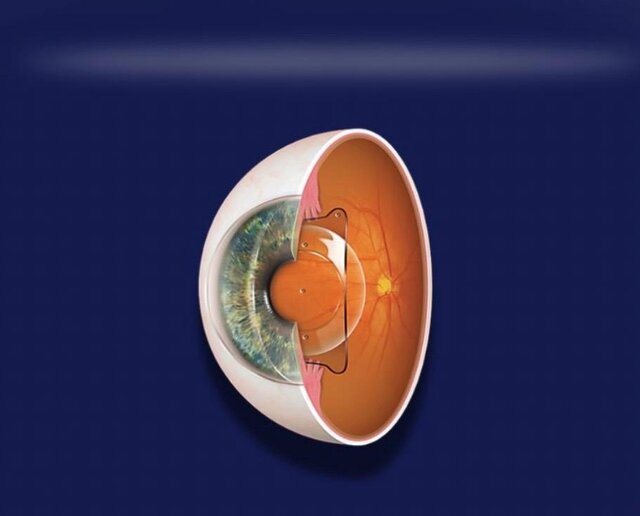
Uveitis is an eye condition that causes inflammation in the uvea, the middle layer of the eye filled with blood vessels. It is situated between the outer layer (sclera) and the inner retina. This part of the eye plays a vital role in processing light, enabling clear images.
When the uvea becomes inflamed, it can cause discomfort, blurred vision and severe vision issues if left untreated. Uveitis can affect one or both eyes. It is known to impact people of all ages.
The condition varies widely. For some, it may clear up quickly. Others may experience chronic uveitis with recurrent flare-ups.
The retina is divided into several areas. It includes the macula, which is responsible for sharp central vision. The periphery detects motion and provides side vision.
When the retina is damaged, it can interfere with how well you see. A disease, injury, or irritation can cause this damage.
Uveitis Symptoms


Causes of Uveitis
The exact causes of uveitis aren’t always clear, but several factors can trigger inflammation in the uvea.
Often, uveitis is related to autoimmune disorders. This is when the body’s immune system mistakenly attacks healthy eye tissue. Conditions like rheumatoid arthritis, Crohn’s disease, and psoriasis are examples of autoimmune diseases that can lead to uveitis.
Other potential uveitis causes include eye injuries or recent eye surgeries or infections such as herpes, tuberculosis, syphilis, or HIV, which can also trigger uveitis.
In rare cases, uveitis may be linked to certain types of cancer, such as lymphoma.
Recognising these causes is important in uveitis treatment. It guides the best approach for managing inflammation and preserving vision.
Types of Uveitis
Uveitis comes in different types, depending on which part of the uvea is affected. Each type requires a specific approach to uveitis treatment.
Anterior Uveitis (Iritis): This is the most common type, affecting the front part of the uvea, including the iris (the coloured part of the eye) and sometimes the cornea. Symptoms often include eye pain, redness, and light sensitivity.
Intermediate Uveitis: This type impacts the retina and the area just behind the iris, causing blurred vision and floaters. It is usually painless but can affect visual clarity over time.
Posterior Uveitis: This type affects the back portion of the eye, including the retina and choroid (the layer behind the retina). It can lead to vision loss if not treated promptly and is often only detected during an eye exam.
Panuveitis: The most severe form, involving inflammation across all parts of the eye uvea, from front to back. Symptoms can include widespread eye discomfort, blurred vision, and light sensitivity.
TRUSTED USER
0 k
POSITIVE RATING
0 %
Benefits of Uveitis Treatment
Effective uveitis treatment can make a significant difference in preserving vision and improving daily life. By managing inflammation and addressing its root cause, treatment helps reduce symptoms like pain, redness, and blurred vision. For those with frequent flare-ups, ongoing care can prevent further damage, ensuring clearer, more comfortable vision.
Beyond immediate relief, timely treatment can also help avoid complications such as glaucoma, cataracts, or retinal detachment—all of which may lead to permanent vision loss if untreated.
With proper care, patients can regain the confidence to perform everyday tasks, whether it’s reading, driving, or simply enjoying the world around them without discomfort.
Uveitis Diagnosis
Diagnosing uveitis involves a series of eye tests and a review of the patient’s medical history.
Visual Acuity Test: Uses an eye chart to check for vision changes.
Ocular Pressure Measurement: Measures eye pressure to detect any increase that may occur with inflammation.
Slit-Lamp Exam: Examines both the front and back parts of the eye, allowing the specialist to observe inflammation.
Dilated Fundus Exam: Uses eye drops to widen the pupil, giving the doctor a clear view of the retina and optic nerve.
These tests, combined with potential blood tests or imaging, help identify the type of uveitis and guide the most effective uveitis treatment plan.
Effective treatment options
Uveitis treatment varies depending on the type and severity of inflammation. The primary goal is to reduce inflammation, relieve pain, and prevent further damage. Here are common treatment approaches:
Non-Surgical

Medicated eye drops
- For anterior uveitis, anti-inflammatory eye drops, often corticosteroids, are used to control inflammation. Drops to dilate the pupil may also relieve pain.

Oral medications or injections
For intermediate, posterior, and panuveitis, the doctor may recommend oral medications or injections around the eye to manage inflammation. Immunosuppressive drugs may be prescribed when autoimmune disorders are involved.

Antibiotics and antivirals
If an infection causes uveitis (e.g., tuberculosis or herpes), antibiotics or antiviral medications are combined with corticosteroids to address both the infection and inflammation.
Surgical

Intraocular injections
- In some cases, an injection of corticosteroids or other anti-inflammatory medications directly into the eye may be recommended to treat uveitis.
- The effect of the drug is sustained over a few months

Implantable devices
- Implantable devices such as sustained-release implants and drug-eluting contact lenses are being studied as potential treatments for uveitis.
- These devices slowly release medications into the eye, providing long-lasting relief from inflammation.

Pars Plana Vitrectomy
- In some cases, uveitis can cause vision-threatening complications such as retinal detachment or vitreous opacities.
- In such cases, a surgical procedure called pars plana vitrectomy may be recommended.
- During this procedure, the surgeon removes the vitreous gel from the eye and replace with vitreous substitute would be a better.
In severe cases, uvea surgery may be considered. This can include a vitrectomy to remove part of the eye’s vitreous gel or corticosteroid implants (slow-release medication devices) may be considered for long-term control.
Each treatment plan is customised to the patient’s needs to achieve the best outcomes for managing symptoms and preserving vision.
Risks and Complications of Uveitis
Uveitis treatment is generally effective. There may be mild risks, including temporary blurred vision or slight discomfort following certain procedures.
In rare cases, treatment can lead to increased eye pressure or cataracts. With careful monitoring by an eye specialist helps manage these concerns. Following your doctor’s guidance ensures a smooth recovery and helps maintain clear, comfortable vision.
Uveitis Prevention
Although uveitis may not always be preventable, certain lifestyle choices can reduce the risk or frequency of flare-ups:
- Eye Protection: Wear protective eyewear during activities like sports or heavy-duty work.
- Managing Autoimmune Conditions: Regular check-ups and prescribed medications can help prevent uveitis symptoms if you have an autoimmune condition.
- Good Hygiene Practices: Proper hygiene around the eyes can reduce infection risks.
- Regular Eye Exams: Particularly important for individuals with diabetes, high blood pressure, or autoimmune diseases, as early detection can support long-term eye health.
Why Choose Jeevan Sparsh?
At Jeevan Sparsh Eye Hospital, each uveitis patient receives dedicated, personalised care.
Our team of experienced eye specialists uses advanced diagnostic tools and effective uveitis treatment methods to help restore vision and ease discomfort.
With a focus on patient well-being, we offer a compassionate approach to eye care, ensuring every individual gets the support they need on their journey to better eye health.
What We Do
Features Providers and Patients Love
Cutting-Edge Tech for Better Eye Health
Slit Lamp Camera

Fundus floresceint angiography

Fundus Camera EIDON

HRA OCT 55

FAQs on Uveitis Treatment
Are there any potential complications associated with uveitis?
Uveitis can sometimes lead to complications like cataracts, increased eye pressure, or glaucoma. However, with early treatment and regular check-ups, these risks are greatly lowered. They help maintain vision.
Can uveitis be prevented, and what steps can be taken to manage the condition?
While uveitis isn’t always preventable. Regular eye exams and managing underlying conditions like autoimmune diseases can help reduce its impact. Good eye care and prompt treatment are essential.
What is the typical cost of treatment for uveitis, and does insurance cover it?
The cost of uveitis treatment can vary based on the type of treatment needed. Many health insurance plans cover treatment, but it’s best to confirm with your provider for specific details.
How is the procedure for day-care treatment of uveitis performed, and what should patients expect during and after the procedure?
Day-care procedures for uveitis, such as certain injections or laser treatments, are usually quick and painless, allowing patients to return home the same day. Mild discomfort is common but fades quickly.
What are the service offerings at Jeevan Sparsh, and how does the hospital specialise in treating uveitis?
Jeevan Sparsh offers a range of services for uveitis treatment. It includes advanced diagnostic tools, customised care plans, and compassionate support from experienced specialists to meet each patient’s unique needs.
What steps can patients take to prepare for uveitis treatment, such as lifestyle changes or medication adjustments, and how can they ensure the best possible outcome?
Patients are advised to follow their doctor’s recommendations, which may include avoiding certain medications or activities before treatment. Staying informed and consistent with care ensures better results.
Are there any alternative or complementary therapies that can be used in conjunction with traditional uveitis treatments, and are they safe and effective?
Some patients find relief with complementary approaches, like dietary adjustments or relaxation techniques, alongside conventional uveitis treatment. Always consult your eye specialist before trying any alternatives.
What is the typical cost of treatment for uveitis, and does insurance cover it?
The cost of uveitis treatment can vary depending on the severity of the condition and the type of treatment required. At Jeevan Sparsh Eye Hospital, we offer a range of treatment options for uveitis, including medications, injections, and surgery if necessary. Our team of experienced doctors and staff will work with you to determine the most appropriate course of treatment and provide you with an estimate of the costs involved. We accept a wide range of insurance plans and can help you navigate the insurance process to ensure that you receive the coverage you are entitled to. We also have a dedicated insurance cell to help you with the formalities to claim your insurance
Quality Eye Care You Can Trust
High Quality Standards
The first NABH accredited hospital in India for maintaining national quality standards.
State-of-the-Art Technology
Nethradhama Eye Hospital has introduced many state-of-the-art equipment that were firsts both nationally and globally.
Experienced Doctors
One of the lowest surgical complication rates worldwide with the help of highly experienced and skilled doctors
Efficiency and Experience
Efficient day care procedures with a low turn around time to ensure a smooth and hassle-free experience.
Safety and Hygiene
We have implemented comprehensive hygiene and safety protocols to provide a safe and clean environment for everyone.
Patient-Centric Approach
Our patients always come first, and we strive to provide personalized and compassionate care to each and every patient who walks through our doors.
Get relief from chronic red eyes and see the world with comfort and clarity!
Trust the Experts at Jeevan Sparsh for Comprehensive Uveitis Services and Cutting-Edge Treatments.