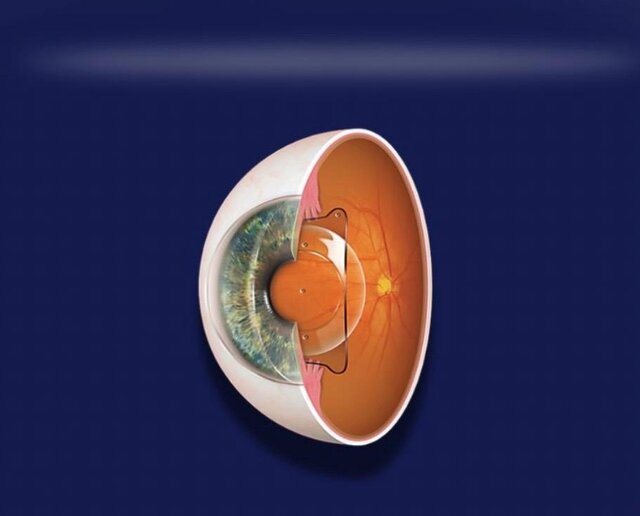
What is the Retina?
The retina is a thin layer of tissue at the back of your eye. It works like a film in a camera. It captures light that enters your eye and converts it into signals sent to the brain through the optic nerve. These signals allow you to see colours, shapes, and details.
The retina is divided into several areas. It includes the macula, which is responsible for sharp central vision. The periphery detects motion and provides side vision.
When the retina is damaged, it can interfere with how well you see. A disease, injury, or irritation can cause this damage.
Symptoms of Retinal Issues


Causes of Retinal Issues
Retinal problems can result from multiple causes. This can be due to diabetes, which leads to diabetic retinopathy, or ageing, which contributes to macular degeneration.
Some people are genetically predisposed to retinal diseases. Others develop problems due to injuries or chronic conditions like high blood pressure.
Long-term exposure to bright sunlight without protection can also harm the retina over time.
Benefits of Retina Surgery
Retina surgery can restore lost vision and prevent further deterioration.
For those who experience sudden detachment or diabetic complications, surgery offers the chance to regain independence.
Beyond physical improvement, successful retina surgery often brings emotional relief. It renews hope for a more active and fulfilling life.
TRUSTED USER
0 k
POSITIVE RATING
0 %
Retina Diagnosis
Diagnosing retinal conditions involves a series of painless tests.
Dilated Eye test: During a dilated eye exam, eye drops are used to widen your pupils, giving the doctor a clearer view of your retina.
Optical Coherence Tomography (OCT): This is a scan test that captures cross-sectional images of retinal layers. It helps detect swelling or fluid buildup, guiding treatment decisions.
Fluorescein angiography: It involves injecting a dye into a vein, typically in the arm. This dye highlights blood vessels in the retina. It allows the specialist to assess for any leaks or blockages. Temporary yellowing of skin or urine may occur as a side effect.
These diagnostic tools help the retina eye specialist identify the condition accurately and decide the best course of treatment for the patient.
Treatment options for Retinal Diseases
Jeevan Sparsh Eye Hospital offers the best treatment for retina diseases with our cutting edge technology and experienced team.

Laser Procedures
- High-energy beams of light used to break the disease chain and prevent retinopathy progression
- Painless procedure
- Patients can resume normal activities immediately

Intra-vitreal injections
- Medication administered painlessly into the eye using a microneedle
- Prevents disease progression
- Most patients can resume daily activities almost immediately

Vitrectomy surgeries
- Advanced technology allows us to make small incisions and use specialized instruments to operate at the retina level
- It is a safe and effective treatment performed by our expert surgeons.
- Done as a day care procedure, allowing patients to return home on the same day
Retinal disease treatment involves various approaches depending on the condition.
Laser therapy uses focused light to seal leaking blood vessels or repair small retinal tears, helping prevent further vision loss.
In conditions like macular degeneration, injections of anti-VEGF medications (anti-vascular Endothelial Growth Factor) are administered directly into the eye to block abnormal blood vessel growth, slowing down damage.
For advanced cases, vitrectomy surgery may be needed. This involves removing the gel-like substance inside the eye (vitreous) to access the retina and address issues like retinal detachment or scar tissue. A vitrectomy restores vision by clearing the area for light to pass through and ensures the retina is properly reattached.
For diabetic retinopathy, both laser treatments and injections are common to control swelling and maintain retinal health.
Timely diagnosis and treatment are critical, as they help slow disease progression and improve outcomes. Regular follow-ups with retina specialists ensure personalised care, with adjustments to the treatment plan to manage long-term eye health effectively.
Risks and Complications of Retina Surgery
Retina surgery is highly effective. Some risks like infection, swelling, or blurry vision may occur temporarily during recovery. Post-operative complications such as cataract formation (especially after vitrectomy), and scar tissue intraocular pressure changes are possible, though rare. Careful post-operative care minimises these risks. It helps in ensuring most patients experience smooth recovery and improved vision.
Retina Disease Prevention
Simple lifestyle changes can help protect your retina. Wearing sunglasses reduces UV damage. If you have diabetes, controlling blood sugar and blood pressure can prevent diabetic complications.
Regular eye check-ups can detect problems early. Including fruits and leafy vegetables in your diet also supports retinal health.
Why Choose Jeevan Sparsh?
Eye Hospital, advanced technology is combined with compassionate care to deliver the best outcomes for patients. The hospital’s experienced retina specialists are dedicated to restoring vision, enabling individuals to regain independence and improve their quality of life.
In addition to retina and glaucoma surgery, Jeevan Sparsh offers specialised care for a wide range of eye conditions. With state-of-the-art surgical facilities and a focus on personalised treatment plans, each patient receives care tailored to their specific condition, ensuring optimal results.
Whether it’s laser therapy, retinal injections, or vitreo-retinal surgeries, each step is carried out with precision and empathy. Patients receive effective treatment paired with ongoing support, ensuring they are cared for throughout their recovery.
What We Do
Features Providers and Patients Love
Cutting-Edge Tech for Better Eye Health
Eidon Wide angle colour fundus

HRA OCT 55

Pascal laser

FAQs on Retina Surgery
Is retinal surgery safe?
Yes, retina surgery is safe, with most patients experiencing significant improvement. Advanced techniques and careful post-operative care reduce risks.
Can retinal diseases be cured?
Some conditions, like retinal detachment, can be treated with retina surgery. Others, such as diabetic retinopathy, require ongoing management to prevent vision loss. However for few genetic conditions like macular dystrophy and retinis pigmentosa there is still no cure. Research on gene therapy is still under trial.
Can retinal diseases be prevented?
Regular check-ups and a healthy lifestyle reduce the risk of developing severe retinal diseases. While some genetic conditions aren’t preventable, managing risk factors like diabetes can protect retinal health.
Is insurance coverage available for retinal disease treatment?
Yes, most health insurance policies cover retina treatments and surgeries. It’s advisable to confirm with your health insurance provider for specific details.
What is day care surgery, and is it available for retinal surgery? Is the surgery painful?
Day care surgery allows patients to return home the same day. Retina surgery is performed under anaesthesia, ensuring a pain-free experience. Some post-operative discomfort may be experienced.
Can diabetes cause retinal diseases?
Yes, diabetes can lead to diabetic retinopathy, where high blood sugar over time damages the retina’s blood vessels.
Does Jeevan Sparsh Eye Hospital cater to elderly people with cataracts?
Yes, Jeevan Sparsh offers specialised care for elderly patients, including treatment for cataracts and retinal diseases.
What are the restrictions after retinal surgery?
Patients should avoid heavy lifting, bending, and rubbing their eyes during recovery to prevent complications.
Quality Eye Care You Can Trust
High Quality Standards
The first NABH accredited hospital in India for maintaining national quality standards.
State-of-the-Art Technology
Nethradhama Eye Hospital has introduced many state-of-the-art equipment that were firsts both nationally and globally.
Experienced Doctors
One of the lowest surgical complication rates worldwide with the help of highly experienced and skilled doctors
Efficiency and Experience
Efficient day care procedures with a low turn around time to ensure a smooth and hassle-free experience.
Safety and Hygiene
We have implemented comprehensive hygiene and safety protocols to provide a safe and clean environment for everyone.
Patient-Centric Approach
Our patients always come first, and we strive to provide personalized and compassionate care to each and every patient who walks through our doors.
Don't let retinal diseases steal your vision- Trust Jeevan Sparsh.
Experience state-of-the-art diagnostic and treatment options from our skilled retinal specialists. Schedule your comprehensive eye exam today to protect your vision for a brighter future.