What is an Implantable Collamer Lens (ICL)?
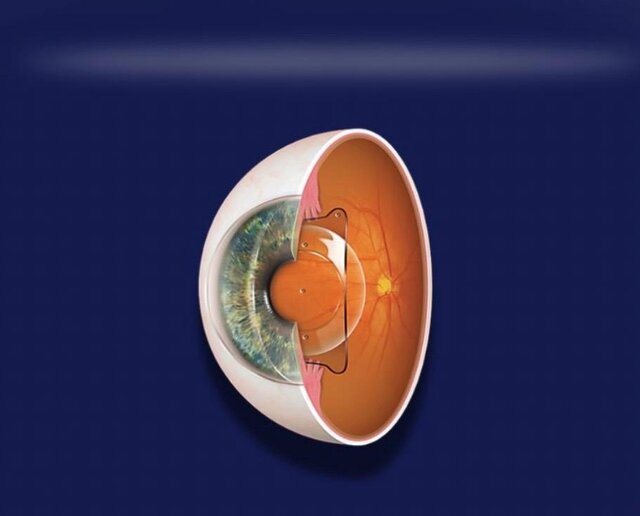
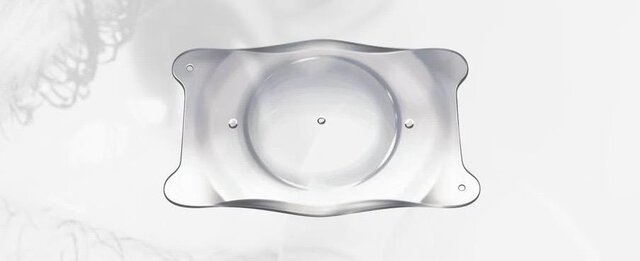
Implantable Collamer lenses are advanced, technology for the long term correction of refractive error. They are surgically inserted into the eye. This method ismost commonly used to correct refractive errors such as nearsightedness (myopia) and astigmatism. Traditional contact lenses rest on the surface of the eye. ICLs, on the other hand, are placed inside the eye, between the iris and the natural lens.
ICLs function similarly to traditional contact lenses. They help correct the way light enters the eye and help focus the ray of light on the retina allowing clearer vision. The main advantage of ICLs is that once implanted, they remain within the eye long term. This provides the wearer with long-lasting benefits without the need for daily maintenance. The lenses are made from biocompatible materials. Hence, they are well tolerated by the body over time. The lenses can be removed or replaced if necessary. Another significant advantage of ICL over LASIK and SMILE is the face that it is a completely reversible procedure.
The ICL surgery is minimally invasive. The ICL is inserted through a small incision in the cornea during the surgery. No tissue is removed, making it safe for patients who are not candidates for other refractive surgeries such as LASIK due to issues like thin corneas or high prescriptions.
Reversibility is one of the standout features of ICLs. The lenses can be removed or replaced if necessary. They offer flexibility for future vision needs. This feature sets ICLs apart from other types of vision correction procedures.
With Implantable Contact Lenses, say Good Bye to:


Benefits of ICL Surgery
There are some key benefits of ICL surgery that one should be aware of. They include:
- Long-term solution for clear vision – A permanent solution for refractive errors is ICL eye surgery. It offers long-lasting correction after implantation. This reduces the need for glasses or contact lenses.
- Suitable for high prescriptions – individuals with high degrees of nearsightedness can opt for ICLs. They can correct more extreme prescriptions. It offers hope to those who have been told they are not candidates for traditional refractive surgery.
- Quick recovery time – ICL surgery recuperating time is relatively short. Many patients experience immediate improvements in their vision, with full recovery typically occurring within a few days to weeks. The procedure is minimally invasive, with fewer complications compared to other eye surgeries.
- Preserves the cornea – ICL surgery does not alter the structure of the cornea. This can be particularly beneficial for those with thin corneas. By preserving the cornea, ICL surgery offers a safer alternative for many individuals.
- Reversible and adjustable – ICL surgery is reversible, unlike other permanent vision correction surgeries. The lens can be removed or replaced with another one. This feature provides flexibility in case of changes in vision over time, ensuring that patients can adjust their treatment as their needs evolve.
- No dry eye issues – One of the common side effects of traditional LASIK surgery is dry eyes, which can be a concern for some individuals. Since ICL surgery does not interfere with the tear glands, dry eye symptoms are generally less of an issue. However, patients with pre-existing severe dry eye symptoms should be evaluated thoroughly before ICL surgery. In some cases, the procedure can still aggravate dryness.
- Improved quality of life – The benefits of ICL surgery extend beyond just better vision. With clearer sight, patients often experience a significant improvement in their daily lives, whether it’s driving at night, reading, or participating in sports. The freedom from glasses or contact lenses can enhance confidence and overall lifestyle.
- Minimal maintenance required – Traditional contact lenses require daily cleaning and maintenance. This isn’t the case with ICLs. They are virtually maintenance-free. Once implanted, they remain inside the eye and do not require removal or cleaning.
- Highly safe and effective – ICL surgery is recognised for its high safety and success rates. The procedure involves minimal risk. This is backed by extensive clinical research. This makes ICL eye surgery a trusted option for those seeking reliable vision correction. Most patients report significant improvement in their vision following surgery.
TRUSTED USER
0 k
POSITIVE RATING
0 %
Who is a Candidate for ICL Surgery?
Implantable Collamer Lens surgery is an ideal solution for many individuals seeking a permanent, effective solution to refractive vision errors. However, not everyone is a suitable candidate for the procedure.
- Age range – Ideal candidates for Implantable Collamer Lens surgery are typically between the ages of 21 and 45. This age range ensures that the patient’s vision has stabilised, as ICL surgery is best performed when a person’s vision has been stable for at least a year. For patients above the age of 45, presbyopia (age-related near vision loss) may become a factor, and alternative solutions might be considered.
- Stable prescription – A key requirement for Implantable Collamer Lens surgery is that the patient’s prescription has been stable for at least a year. You are more likely to be a suitable candidate for the procedure if your glasses or contact lens prescription has not changed over this period.
- High refractive error – ICL surgery is particularly beneficial for individuals with high refractive errors, including severe myopia (nearsightedness) or hyperopia (far-sightedness), or those with astigmatism. The Implantable Contact Lens procedure can correct a wider range of vision problems than some other refractive surgeries like LASIK. If your prescription falls outside the treatment range of LASIK, ICLs may be the ideal solution.
- Good overall eye health – Candidates for ICL eye surgery should be in good eye health. Conditions such as cataracts, glaucoma, or other serious eye diseases may prevent you from being eligible for the surgery. A thorough eye examination by an experienced ophthalmologist will determine if any pre-existing eye conditions need to be treated before proceeding with Implantable Contact Lens surgery.
- No dry eye syndrome – ICL surgery may be a preferable option if you suffer from dry eyes. Implantable Collamer Lens surgery does not interfere with the tear glands and can reduce the likelihood of aggravating dry eye symptoms. It is still essential for the eyes to be in good condition for the surgery.
- Desire for permanent, reversible solution – ICL surgery is particularly attractive for those looking for a permanent vision correction solution that can also be reversed or replaced if necessary. If you want to benefit from long-term vision correction without worrying about the constant maintenance of glasses or contact lenses, Implantable Contact Lens may be the right choice.
- Non-suitable for LASIK – ICL surgery may be an excellent alternative If you have been advised against LASIK due to thin corneas, dry eyes, or a high prescription. It may be a safer option for individuals who are not candidates for other refractive surgeries since the Implantable Collamer Lens procedure does not involve corneal reshaping.
Treatment Options
Visian® ICL™ STARR® Surgical

Eyecryl Phakic

The ICL Surgery Procedure
ICL surgery is a precise and minimally invasive procedure. It is aimed at correcting refractive errors by implanting a contact lens inside the eye. The procedure ensures a painless experience for the patient as it is performed under local anaesthesia,
A thorough eye examination is conducted before the surgery. This is done to measure the eye’s dimensions and determine the right size of the Implantable Contact Lens. This step is crucial in ensuring a perfect fit for the implant.
The eye is numbed with anaesthetic drops on the day of the surgery. The surgeon makes a small, 2-3 mm incision in the cornea. The foldable Implantable Contact Lens is carefully inserted through the incision. The lens is positioned behind the iris, in front of the natural lens, where it stays permanently, offering long-term vision correction.
The incision is small enough to heal without stitches. The entire procedure typically takes less than 30 minutes per eye. Both eyes can be treated on the same day. But some surgeons prefer treating one eye at a time to monitor healing and minimise risk. Patients may wear a protective shield over the eye to avoid irritation during the initial healing phase after the surgery.
Recovery is typically quick. Many patients notice improvements in vision within hours. Full recovery may take a few days to weeks, with post-operative follow-up visits to monitor progress. Mild discomfort and light sensitivity are common in the days following the procedure. There is also a possibility of glare or halos, particularly in low-light conditions. These symptoms usually subside quickly.
ICL surgery offers a precise, minimally invasive solution to vision correction, with a relatively short recovery time and lasting results.
Risks and Side Effects of ICL Surgery
While ICL surgery is a highly effective and safe procedure. There may be some potential risks and side effects. These are rare and can be manageable. Some patients may experience mild discomfort, dry eyes, or light sensitivity immediately following the procedure. These symptoms often resolve within a few days.
In the initial healing phase, there is a slight risk of infection or inflammation. This can be controlled with prescribed eye drops. In some cases, there may be a temporary increase in intraocular pressure, but this is closely monitored during follow-up visits.
Though very rare, complications like lens dislocation or cataract formation can occur, particularly if the eye is not properly monitored after surgery. It’s essential to follow post-operative care instructions carefully and attend all scheduled check-ups to minimise risks and ensure optimal recovery.
Overall, the risk of serious complications is low, making ICL surgery a safe option for many.
All you need to know about Implantable Contact Lenses

What?
- Highly Specialized small thin lens placed inside the eye in front of the natural crystalline lens
- You cannot see or feel the lens once it is placed inside the eye
- over 1 million of these lens implanted worldwide

When?
- Not suitable for LASIK
- High minus or plus power
- High cylindrical power
- Severe dry eyes

Why?
- Speactacle independence
- Reversible
- No dry eye problems
- Quick recovery
What We Do
Features Providers and Patients Love
FAQs on Implantable Contact Lens
Is ICL safer than LASIK?
ICL surgery is generally considered safe, with a lower risk of complications for those with thin corneas or high refractive errors. ICL surgery doesn’t involve reshaping the cornea, which can reduce risks related to dry eyes and other corneal issues.
How long do implantable contact lenses last?
Implantable Contact Lenses are designed to last for a long time, although they can be removed or replaced if needed. With proper care and regular check-ups, patients can enjoy long-term vision correction without the need for frequent adjustments, unlike traditional contact lenses.
How much do implantable lenses cost?
The cost of ICL surgery varies depending on the clinic, the type of lens, and the complexity of the procedure. Typically, the cost in India ranges between ₹50,000 and ₹2,50,000 per eye. Consultation with an ophthalmologist is essential for accurate pricing based on individual needs.
What is the best age for ICL?
ICL surgery is best suited for individuals aged 21 to 45 when vision has stabilised. This age range ensures that the surgery can provide lasting results. Those outside this age range may still be eligible, but a detailed eye examination is required to determine suitability. They would be checked for cataracts, advanced presbyopia or similar conditions.
Who is not suitable for ICL?
Not everyone is a candidate for ICL surgery. People with severe dry eye, certain eye diseases, or those with extremely high refractive errors may not be suitable candidates. Additionally, individuals over 45 may experience age-related vision changes.
Quality Eye Care You Can Trust
High Quality Standards
The first NABH accredited hospital in India for maintaining national quality standards.
State-of-the-Art Technology
Nethradhama Eye Hospital has introduced many state-of-the-art equipment that were firsts both nationally and globally.
Experienced Doctors
One of the lowest surgical complication rates worldwide with the help of highly experienced and skilled doctors
Efficiency and Experience
Efficient day care procedures with a low turn around time to ensure a smooth and hassle-free experience.
Safety and Hygiene
We have implemented comprehensive hygiene and safety protocols to provide a safe and clean environment for everyone.
Patient-Centric Approach
Our patients always come first, and we strive to provide personalized and compassionate care to each and every patient who walks through our doors.
Say good bye to the inconvenience and embrace the freedom of Implantable Contact Lenses at Jeevan Sparsh!
Get clear vision without the hassle of corrective eyewear. Book your consultation today and experience the transformation firsthand. Don’t let your vision hold you back any longer!