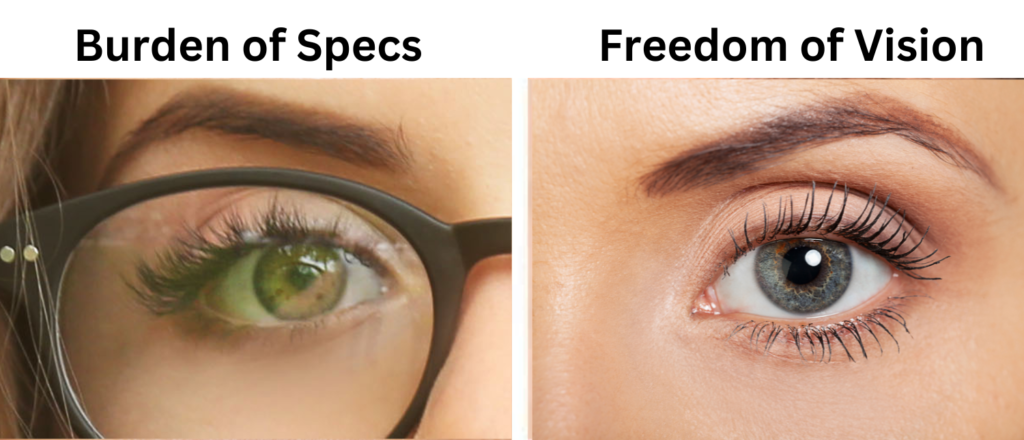
What is LASIK Surgery?
LASIK surgery is a laser-based treatment that reshapes the cornea, the clear front part of the eye. It helps correct vision problems. The cornea helps focus light on the retina, the light-sensitive layer at the back of the eye. If the cornea’s shape is incorrect, vision becomes blurry. LASIK corrects this by using a laser to gently remove tiny amounts of tissue, improving focus.
The procedure is quick, usually taking about 15 minutes for both eyes. Numbing eye drops prevent pain, though a brief sensation of pressure may be felt during flap creation. Most people notice clearer vision within 24 hours. Unlike traditional surgeries, LASIK does not require stitches or bandages, as the corneal flap naturally reattaches
LASIK eye surgery helps those with nearsightedness (difficulty seeing distant objects), farsightedness (trouble seeing up close), and astigmatism (blurry vision at all distances). While it is a long-term solution, natural ageing changes in the eye, such as presbyopia, may require reading glasses later in life.
Lasik Symptoms

Benefits of LASIK Surgery
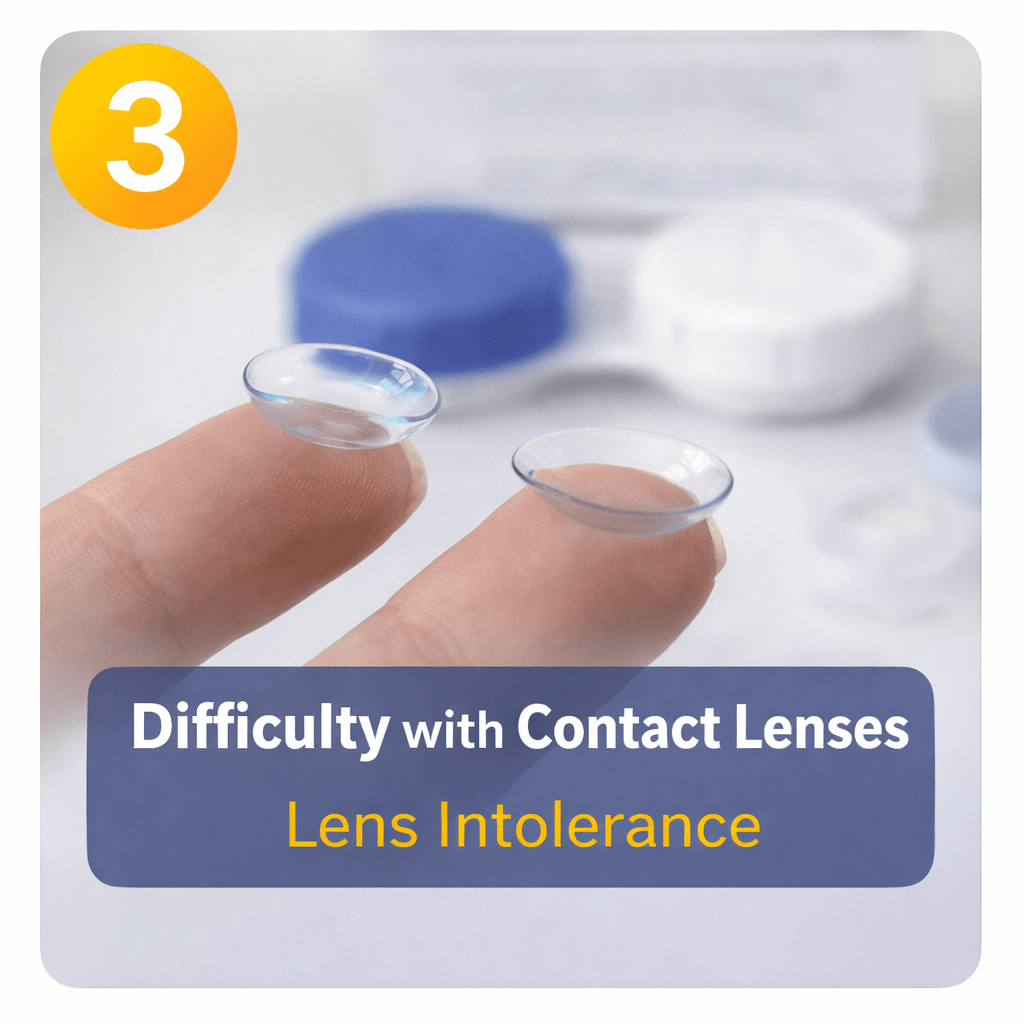
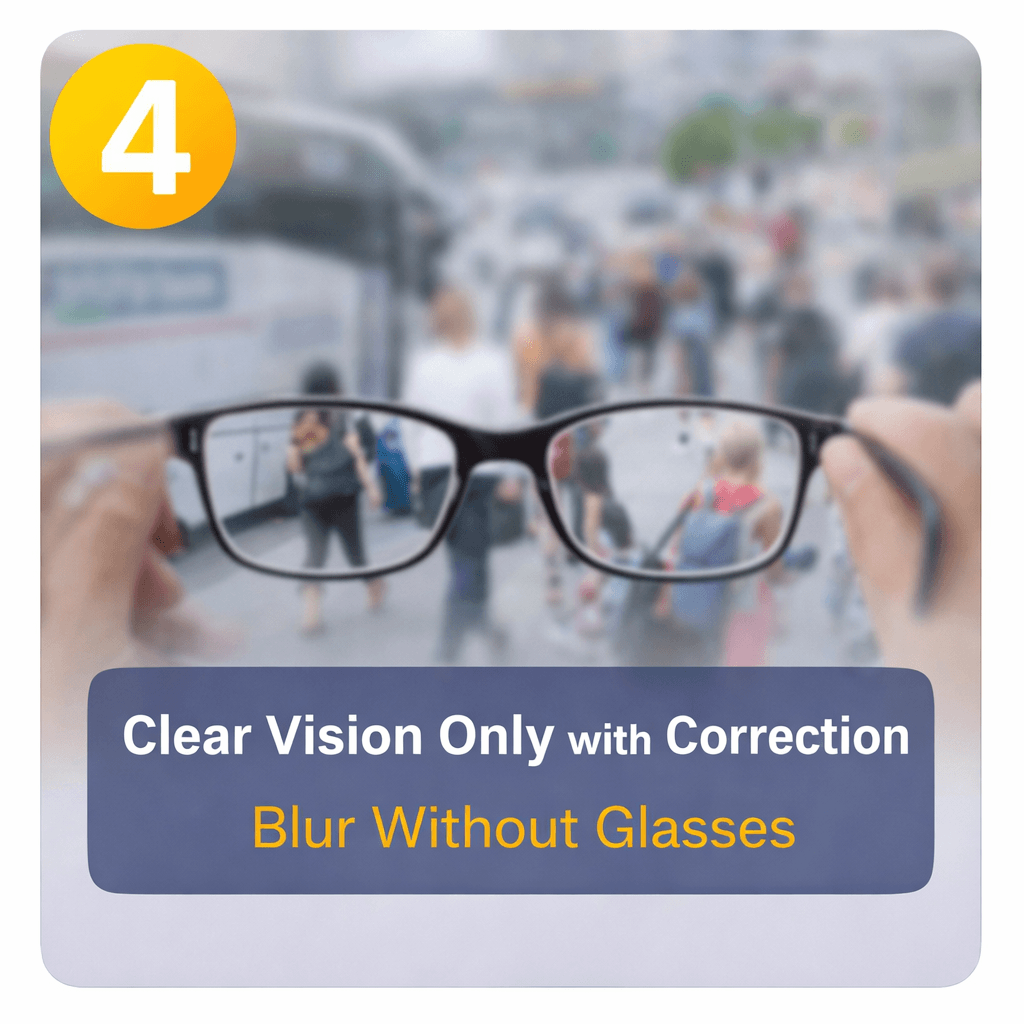
LASIK surgery offers life-changing vision correction. It provides clear eyesight without relying on glasses or contact lenses. The results are long-lasting, with most patients experiencing permanent vision improvement. However, in some cases, refractive changes may occur over time, requiring enhancements.
Recovery is quick. Most people return to normal activities within a day or two, though full visual stabilisation can take a few weeks. Discomfort is minimal, with only mild dryness or irritation for a short time.
- The high LASIK surgery success rate is made possible by advanced laser technology that customises treatment for each eye. It safely corrects nearsightedness, farsightedness, and astigmatism, with global patient satisfaction exceeding 96%.
Many patients enjoy an active lifestyle without vision restrictions. Sports, swimming, and travel become easier without worrying about eyewear. Freedom from glasses improves confidence and convenience.
TRUSTED USER
0
k
POSITIVE RATING
0
%
Who is Eligible for LASIK Eye Surgery?
Not everyone can undergo LASIK eye surgery. Certain conditions determine eligibility.
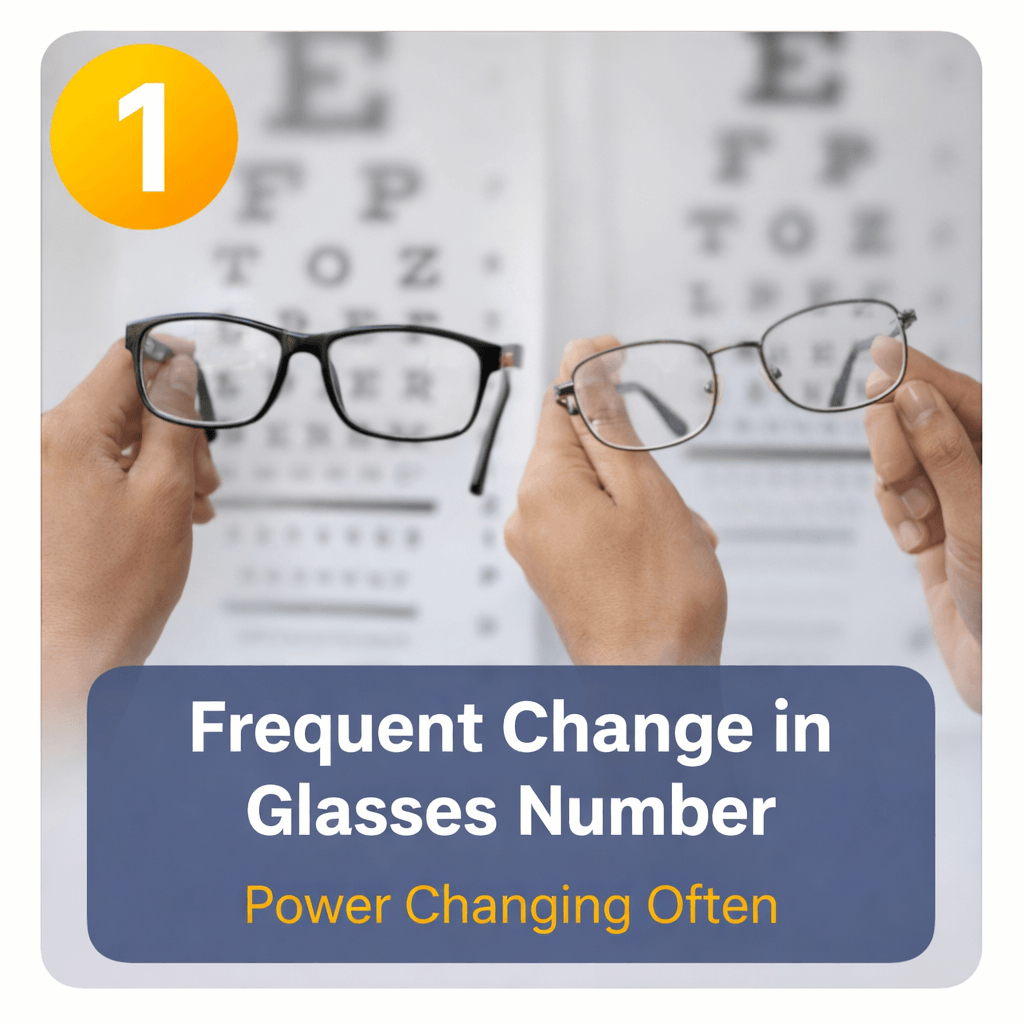
Age matters. You must be at least 18 years old, as vision should be stable before the procedure. Frequent prescription changes suggest ongoing eye development, making surgery less effective.
Healthy eyes are essential. Conditions like severe dry eyes, corneal diseases, or glaucoma can affect healing. A thorough eye exam checks for these issues before approval.
A stable prescription is necessary. If your eyeglass or contact lens power has changed in the last year, LASIK may not be suitable yet. Stability ensures long-term results.
General health plays a role. Diabetes, autoimmune disorders, or pregnancy-related vision changes may affect healing. A consultation helps assess individual risks.
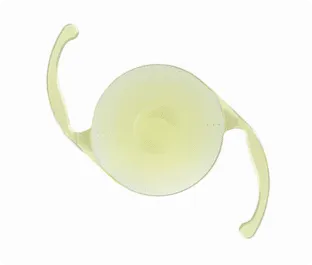
Cataract Surgery Lens Options
If you are opting for a cataract operation procedure, your ophthalmologist will do a complete eye checkup first and suggest the type of lens you should use. Your options would include:
Monofocal Lens
A monofocal lens is a standard lens that can improve your distance vision. However, you may need glasses for intermediate vision.

Astigmatism-Correcting/Toric Lens
A Toric Lens is used if you have astigmatism, which causes blurry vision. While a toric lens can correct astigmatism, you may still need reading glasses.
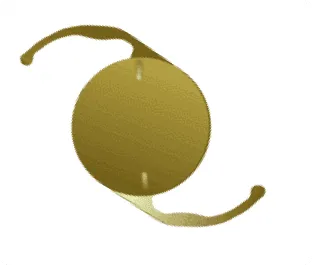
Multifocal/Trifocal Lens
A Multifocal/Trifocal Lens reduces the need for glasses by significantly improving vision. These lenses improve intermediate and distance vision, but some patients may still need reading glasses for near vision.
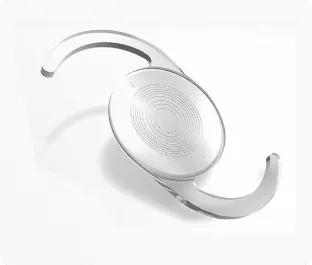
Extended Depth of Focus Lenses
Extended depth-of-focus Lenses are different from trifocal lenses. They are used to correct intermediate and distance vision.
Types of LASIK Treatment
-
Standard LASIK (Blade LASIK)
This is the conventional LASIK procedure. A specialised surgical tool called a microkeratome creates a thin, hinged layer on the cornea, known as a flap. This flap is carefully lifted, exposing the inner corneal tissue. A laser then reshapes the cornea to correct vision. Once done, the flap is placed back, acting as a natural bandage to aid healing.
Blade LASIK is effective for correcting nearsightedness, farsightedness, and astigmatism. The procedure is quick, taking about 15 minutes for both eyes. Vision improves within a day, though mild dryness or sensitivity may occur initially.
This method is affordable and widely available. However, since it involves a blade, the flap’s thickness may vary slightly, which is why some patients opt for bladeless alternatives. -
Bladeless LASIK (Femto LASIK)
Bladeless LASIK, also called Femto LASIK, uses a laser instead of a blade to create the corneal flap. A femtosecond laser makes a precise, thin layer on the cornea. This layer is gently lifted, and another laser reshapes the underlying tissue to correct vision. The flap is then placed back for natural healing.
This method offers greater accuracy and safety. The laser creates a smoother, more uniform flap, reducing the risk of complications. Healing is often faster, and patients report less discomfort compared to traditional LASIK.
Femto LASIK is ideal for people with thinner corneas or those seeking a more advanced option. Many prefer it due to its blade-free nature, making it a top choice. -
SMILE (Small Incision Lenticule Extraction)
SMILE is a minimally invasive laser vision correction procedure. Unlike LASIK, it does not create a flap. Instead, a femtosecond laser makes a tiny, lens-shaped piece of tissue (lenticule) inside the cornea. This lenticule is removed through a small incision, reshaping the cornea and correcting vision.
Since no flap is created, the procedure preserves more corneal strength. This reduces the risk of dry eyes and makes SMILE a preferred choice for people with active lifestyles or those prone to eye injuries.
Recovery is smooth, with most patients resuming daily activities within a few days. It is a great option for those seeking an alternative to LASIK surgery. -
PRK (Photorefractive Keratectomy) – Alternative to LASIK
PRK is a well-established laser vision correction method. Like SMILE, it does not involve creating a flap, making it a reliable choice for people with thin corneas or those at risk of flap-related complications. However, PRK and SMILE differ in how they reshape the cornea.
In PRK, the outermost corneal layer (epithelium) is gently removed, allowing a laser to reshape the underlying tissue. The epithelium regenerates naturally within a few days. This technique provides long-term vision correction, similar to LASIK surgery, but the recovery period is slightly longer. -
ICL (Implantable Collamer Lens) – For Those Unsuitable for LASIK
ICL is a vision correction option for those who cannot undergo LASIK surgery due to thin corneas, high prescriptions, or dry eyes. Instead of reshaping the cornea, ICL involves placing a soft, biocompatible lens inside the eye, just behind the iris and in front of the natural lens. This lens corrects vision without altering the cornea’s structure.
The Cataract Procedure
There are 3 ways to do cataract removal. These include:
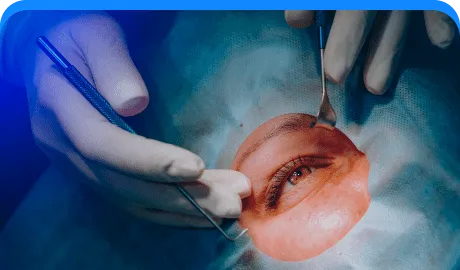
Conventional Cataract Surgery
When you choose to do a conventional cataract surgery, the ophthalmologist will create a rather large incision in the eye and remove the cataract. There is a possibility that stitches may be required after insertion of the new lens. The recovery time is typically around a month, provided the patient follows the prescribed after-care process. The need for spectacles immediately after surgery will depend on the type of lens implanted. This is an almost obsolete cataract procedure now.
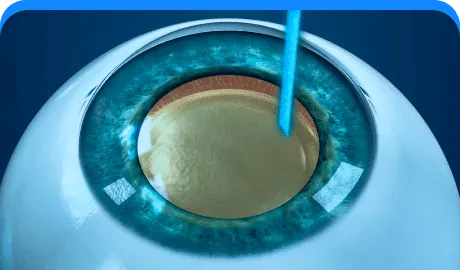
Micro-incision Cataract Surgery
Unlike the conventional method of cataract eye surgery, the incision is smaller, and ultrasonic energy is used to remove the cloudy lens. Once it is removed, the new lens or the foldable Intraocular Lens (IOL) will be inserted. The recovery time is shorter, and so is the use of spectacles. This is not a laser surgery; the cloudy lens is broken up using ultrasound energy and then removed before replacement.
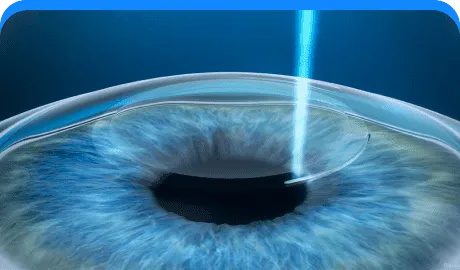
Laser Cataract Surgery
A femtosecond laser is used to create a precise incision and remove the cloudy lens. Once removed, a silicon or acrylic lens is inserted in place of the original lens. The use of a laser provides greater precision in certain steps of the surgery, though it does not necessarily guarantee superior outcomes compared to traditional methods. It may help reduce recovery time, and the need for spectacles afterwards is often reduced.
Step-by-Step LASIK Surgery Procedure
LASIK surgery is a quick and precise procedure. It typically takes 15 minutes for both eyes and follows a structured process for safety and accuracy.
- Pre-surgery preparation: Numbing eye drops are applied to prevent discomfort. The surgeon ensures the eye is stabilised, and a special instrument holds the eyelids open.
- Flap creation: A microkeratome (blade) or femtosecond laser creates a thin flap on the cornea. This flap is lifted to access the underlying corneal tissue.
- Laser reshaping: An excimer laser reshapes the cornea by removing precise amounts of tissue. This correction allows light to focus properly on the retina.
- Flap repositioning: The corneal flap is carefully placed back into position. It naturally adheres without stitches, aiding fast healing.
- Post-surgery care: Protective shields are placed over the eyes to prevent accidental rubbing. Vision may be blurry initially but improves within a few hours.
Other Details:
With a strong commitment to excellence, JeevanSparsh offers a trusted and reliable choice for vision correction.
Precautions Before LASIK Eye Surgery
Proper preparation helps deliver safe and effective results from LASIK eye surgery. Following these precautions helps minimise risks and improves recovery.
- Stop wearing contact lenses – Soft lenses should be removed at least a week before surgery, while hard lenses may require a longer break. Lenses can alter the cornea’s shape, affecting accuracy.
- Avoid eye makeup and creams – On the day of surgery, keep the eye area clean to reduce infection risk. Residue from cosmetics can interfere with the procedure.
- Stay hydrated and well-rested – Dry eyes can slow healing, so drinking enough water and sleeping well improves comfort post-surgery.
- Discuss medications with the doctor – Some medicines, like blood thinners, may need adjustments before surgery.
- Arrange for post-surgery transport – Vision will be blurry immediately after the procedure, so driving is not advisable.
LASIK Surgery Recovery Time and Aftercare
LASIK eye surgery recovery time is generally quick. Most patients notice clearer vision within 24 hours, but full healing and stabilisation may take a few weeks.
- First 24 hours: Expect mild dryness, light sensitivity, or hazy vision. Avoid rubbing your eyes. Protective shields may be required while sleeping.
- First week: Use prescribed eye drops to prevent dryness and infection. Avoid eye makeup, swimming, and dusty environments. Sunglasses help with light sensitivity.
- First month: Strenuous activities like contact sports should be avoided. Vision stabilises over time, with follow-up checkups tracking progress.
- Long-term care: Regular eye exams help maintain eye health. Artificial tears can ease occasional dryness, especially in air-conditioned spaces.
Risks and Side Effects of LASIK Surgery
LASIK surgery is a safe and effective procedure when performed by experienced specialists. However, like any medical treatment, it may have temporary side effects. Most of these resolve within a few weeks.
- Mild dryness – Some patients experience dry eyes, which improves with lubricating eye drops.
- Temporary blurry vision – Vision may be slightly hazy or fluctuating for a few days before stabilising.
- Light sensitivity – Bright lights may feel intense initially, but wearing sunglasses outdoors helps.
- Night vision changes – Some patients experience glare or halos around lights in the first few weeks, but these usually fade.
- Rare complications – In rare cases, issues like infection or prolonged dryness may occur. Following post-surgery care reduces such risks.
LASIK Surgery Cost in India
LASIK surgery cost in India varies based on technology, surgeon expertise, and hospital standards. Prices typically range from ₹25,000 to ₹1,20,000 per eye, depending on the type of LASIK treatment chosen.
Standard LASIK costs ₹25,000 to ₹40,000 per eye. Bladeless (Femto) LASIK costs ₹50,000 to ₹80,000 per eye. SMILE Surgery can cost ₹80,000 to ₹1,20,000 per eye.
The LASIK eye surgery cost also depends on pre-operative tests, post-surgery care, and personalised treatment plans. While price is a factor, choosing an experienced eye specialist and advanced technology ensures safety and long-term vision benefits.
What We Do
Features Providers and Patients Love
EXCELLENTTrustindex verifies that the original source of the review is Google. Cataract operation was performed for my right eye. Dr lalwani is good and staff is well trained. All treatment and surgery was done very well.Posted on GoogleTrustindex verifies that the original source of the review is Google. व्हेरी गुड एक्सपेरियन्स विथ jeevan sparsh eye hospital my wife left eye cataract surgery done. Dr and staff very good and professionalPosted on GoogleTrustindex verifies that the original source of the review is Google. ⭐ ⭐ ⭐ ⭐ ⭐ One of the best eye hospital in Pune with top-notch technology with most caring doctors and staff . Had done my cataract surgery for left eye It was really very complicated and matured cataract very High uncontrolled sugar levels. Most important it's accessable by wheelchair Dr lalwani did excellent job my vision has improved from almost nil to 6/6 My Star cashless insurance was covered for cataract surgery Entire cashless insurance process was paperless and hassle free . Hospital staff was very supportive. And cooperative. Starting from reception to OT staff Doctors everyone are always on their toes to help u . everyone will welcome u with smile ur half pain and stress is overcomed there itself. Operation process was very smooth and quick. Recovery was just fabulous. Would love to recommend anyone who is looking for a careful hands with best surgical skill accompanied by excellent staff and high tech equipment everything under one roof for ur eyes . Thank you for blessing me with beautiful vision improvement 🙂🙂Posted on GoogleTrustindex verifies that the original source of the review is Google. सर्व प्रकारच्या चाचणी करून ऑपरेशन छान झाले आहे हॉस्पिटल ची सुविधा छान आहे स्टाफ पण खूप cooperative आहेत Shital Sir खुप सुंदर काळजी घेतातPosted on GoogleTrustindex verifies that the original source of the review is Google. I visited jeevan sparsh eye hospital for the first time due to my high prescription number. I had visited several hospitals before, but I couldn't find a solution that met my expectations. However, after visiting this hospital the doctor patiently explained everything to me and recommend LASIK as a suitable solution for my vision problems.i decided to go ahead with LASIK and my surgery was completed successfully. Thank you so much to dr lalwani for giving me excellent vision without glasses, I would also like to thank the entire team for their care , support,and professionalism throughout the process.Posted on GoogleTrustindex verifies that the original source of the review is Google. I did my wife's cataract surgery in jeevan sparsh eye hospital it was very smooth and a cashless procedure. The whole procedure was so good and we didn't take any headache as the staffs are so cooperative. Dr lalwani and mrs lalwani is soo Honest and good they described all the procedure and gave us a faith and now we see that they fulfill it very nicely thanks to Dr lalwani and the whole team for giving her a better vision without any spectacles or harrasment... So impressed Must visit Jeevan sparsh eye hospitalPosted on GoogleTrustindex verifies that the original source of the review is Google. So good hospital with well trained staffs , the behaviour of all was so good veri impressive i visited this hospital for very 1st time and it was impressive to see that the staffs and dr's behaviour was so good to all the patients . If you want a good treatment with good behaviour you must visit jeevan sparsh eye hospital.Posted on GoogleTrustindex verifies that the original source of the review is Google. I am visiting this hospital from past 8 years and this hospital is so good and the staffs are so good and dr lalwani is so helpful and kind. He always listen our problems very sincerely and give us a very good solution. Must visit this hospitalPosted on GoogleTrustindex verifies that the original source of the review is Google. Dr Lalwani Madam is very cooperative , understanding in nature. Discipline with Good staff.Posted on GoogleTrustindex verifies that the original source of the review is Google. Neat and clean hospital good Doctors and staff.Showing our latest reviews
FAQs on LASIK Surgery
Which is the best Lasik eye surgery in India?
The best LASIK treatment depends on individual eye conditions. Contoura Vision and SMILE offer advanced precision, while Femto LASIK provides a bladeless alternative.
Am I a suitable candidate for LASIK?
You must be 18+, have a stable prescription, and have healthy eyes. Conditions like thin corneas or severe dry eyes may require alternative treatments.
How long does LASIK surgery take?
The actual procedure takes about 15 minutes for both eyes. Pre-surgery preparation and post-surgery observation may take a few hours.
Does LASIK surgery hurt?
No, numbing eye drops prevent pain. You may feel slight pressure during the procedure and mild discomfort for a few hours afterwards.
How long does the effect of LASIK last?
For most people, results are permanent. However, natural ageing changes in the eye may require reading glasses later in life.
Can LASIK treat both nearsightedness and farsightedness?
Yes, LASIK eye surgery corrects nearsightedness, farsightedness, and astigmatism by reshaping the cornea.
Quality Eye Care You Can Trust
High Quality Standards
The first NABH accredited hospital in India for maintaining national quality standards.
State-of-the-Art Technology
Nethradhama Eye Hospital has introduced many state-of-the-art equipment that were firsts both nationally and globally.
Experienced Doctors
One of the lowest surgical complication rates worldwide with the help of highly experienced and skilled doctors
Efficiency and Experience
Efficient day care procedures with a low turn around time to ensure a smooth and hassle-free experience.
Safety and Hygiene
We have implemented comprehensive hygiene and safety protocols to provide a safe and clean environment for everyone.
Patient-Centric Approach
Our patients always come first, and we strive to provide personalized and compassionate care to each and every patient who walks through our doors.
Your child's vision deserves the best.
Take action today and secure expert diagnosis and treatment options with JeevanSparsh.