


Glaucoma is feared not because it causes pain or discomfort, but because it causes almost no symptoms until vision damage has already occurred.
Many people assume that eye problems will cause blurred vision or discomfort from the start. Glaucoma behaves differently. It affects the optic nerve gradually and quietly, and by the time most patients notice a problem, significant permanent loss has already happened.
The most important message about glaucoma is simple: early detection saves vision.
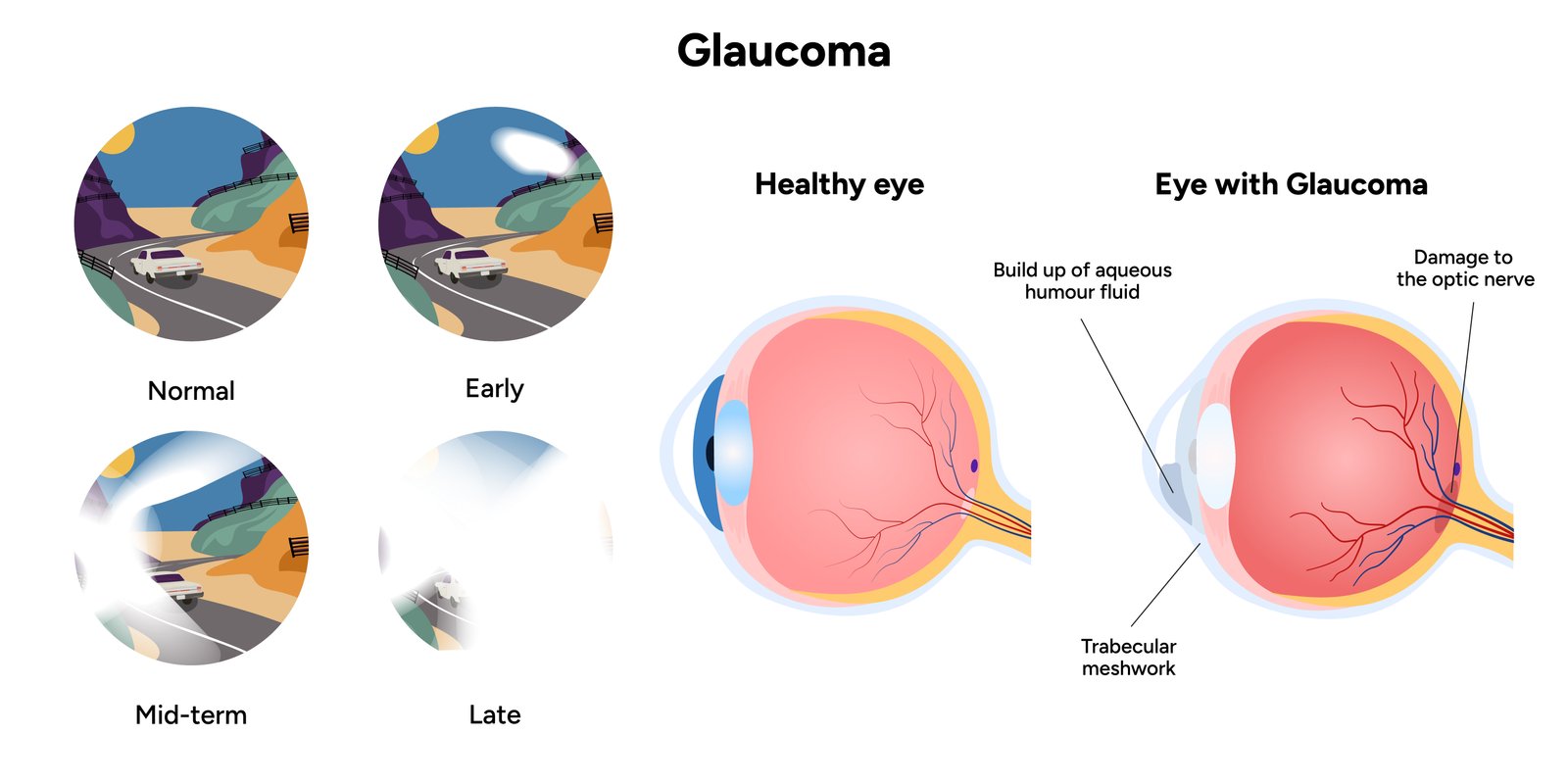
Glaucoma is a group of conditions that damage the optic nerve, typically due to increased pressure within the eye. Fluid builds up within the eye and presses on the nerve. But it is equally important to understand that glaucoma can occur even when eye pressure is normal, which is why depending on symptoms alone is risky.
Anyone can develop glaucoma, but age over 40, a family history of glaucoma, diabetes, high eye power, thyroid problems, long-term steroid use and previous eye injuries significantly increase risk.
When cataracts develop, vision becomes cloudy or hazy and the person realises something is wrong.
Glaucoma works differently. It first affects side vision, which the brain automatically compensates for. Patients feel like they are seeing normally, even as peripheral sight slowly narrows. Central vision is affected only in the later stages, and the damage cannot be reversed.
Many patients discover they have glaucoma only when it has progressed enough to interfere with driving or navigating crowded spaces.
Most early stages are silent. Later stages may show:
Any suspicion should be taken seriously and evaluated at once.
Because glaucoma progresses quietly, routine eye check-ups matter. A simple vision test is not enough to detect glaucoma.
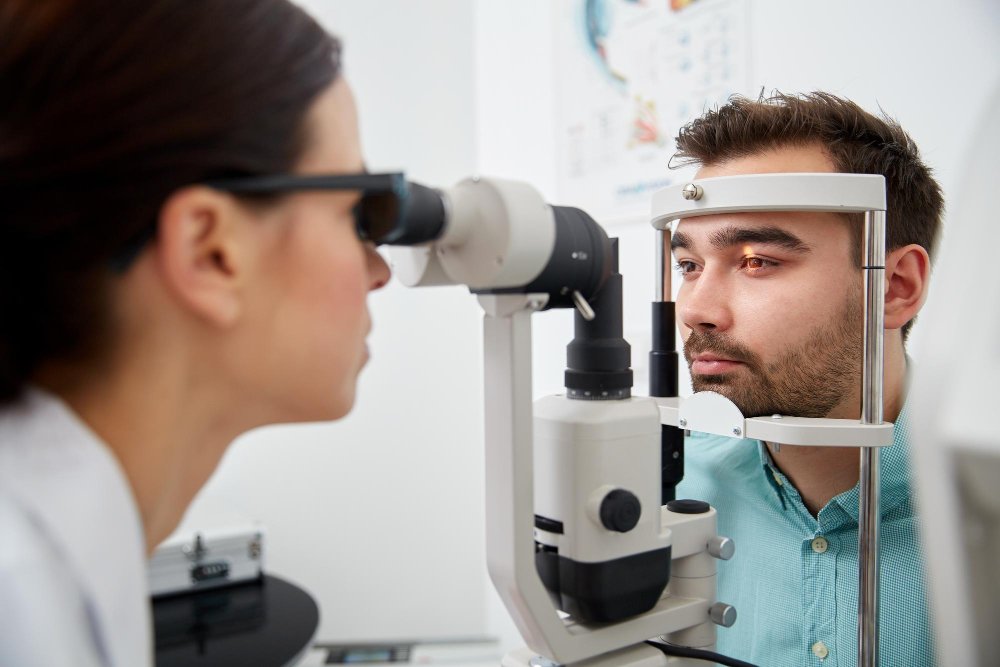
Screening at Jeevan Sparsh Eye Hospital includes evaluating eye pressure, analysing the optic nerve, measuring peripheral vision through a visual field (perimetry) test, corneal thickness measurement, and OCT scans to detect early nerve fibre thinning. These tools help identify glaucoma before symptoms appear and determine how aggressively it might progress.
While lost vision cannot be restored, early treatment can stop or slow down further damage significantly. Treatment options include:
Every treatment plan is customised based on the patient’s age, daily routine, pressure levels, and optic nerve condition. Consistent follow-up appointments are essential to protect long-term vision.
People often postpone glaucoma screening because they “feel fine.” Unfortunately, good vision does not mean good optic nerve health. Annual preventive screening, especially after age 40 or when risk factors are present, is the strongest protection against irreversible vision loss.
Glaucoma does not have to steal vision. With early screening and timely treatment, most people live their entire life with functional vision. The safest step is not waiting for symptoms, but scheduling regular eye examinations.
Jeevan Sparsh Eye Hospital provides comprehensive glaucoma evaluation and personalised treatment to protect vision long-term.
If you have risk factors or simply want to stay proactive about your eye health, consider a glaucoma screening appointment. Preserving sight today can protect independence, safety, and quality of life for decades.