


Most people today assume dry eye is only caused by excessive screen time. While phones and laptops definitely play a role, they are not the full story.
Dry eye disease has become a lifestyle-driven condition affecting office workers, homemakers, senior citizens, young adults and even people with limited digital exposure. At Jeevan Sparsh Eye Hospital, many patients arrive convinced that “too much mobile” is the problem, but the root cause is often far more complex.
Dry eye occurs when the eyes do not produce enough tears or when tears evaporate too quickly. The discomfort builds gradually, so many people ignore it until it starts affecting daily tasks like reading, driving or wearing contact lenses.
It is true that device use reduces blinking and increases strain. But modern environments have introduced other strong contributors to dry eye. Indoor air conditioning and heaters create low-humidity air that dries out the tear film. Pollution, allergens and dust irritate the eye surface outdoors. Dietary habits such as low hydration and low omega-3 intake reduce tear quality. Hormonal shifts, especially during menopause, can decrease natural tear production. Some medical conditions like thyroid imbalance, rheumatoid arthritis, and diabetes also raise risk.
This combination explains why even people who limit screen time can still experience burning, gritty, or irritated eyes.
Dry eye symptoms evolve slowly and can easily be confused with tired eyes. Many patients describe:
Ignoring these signs may allow inflammation and surface damage to progress over time. Early treatment prevents long-term discomfort.
A “try this eye drop and see” approach rarely solves the problem. Proper diagnosis identifies the specific cause of dryness.
At Jeevan Sparsh Eye Hospital, evaluation typically includes tear breakup assessment, meibomian gland function analysis, tear quantity measurement, and imaging of the corneal surface. These tests help differentiate between evaporative dry eye and low tear production, which require different treatments.
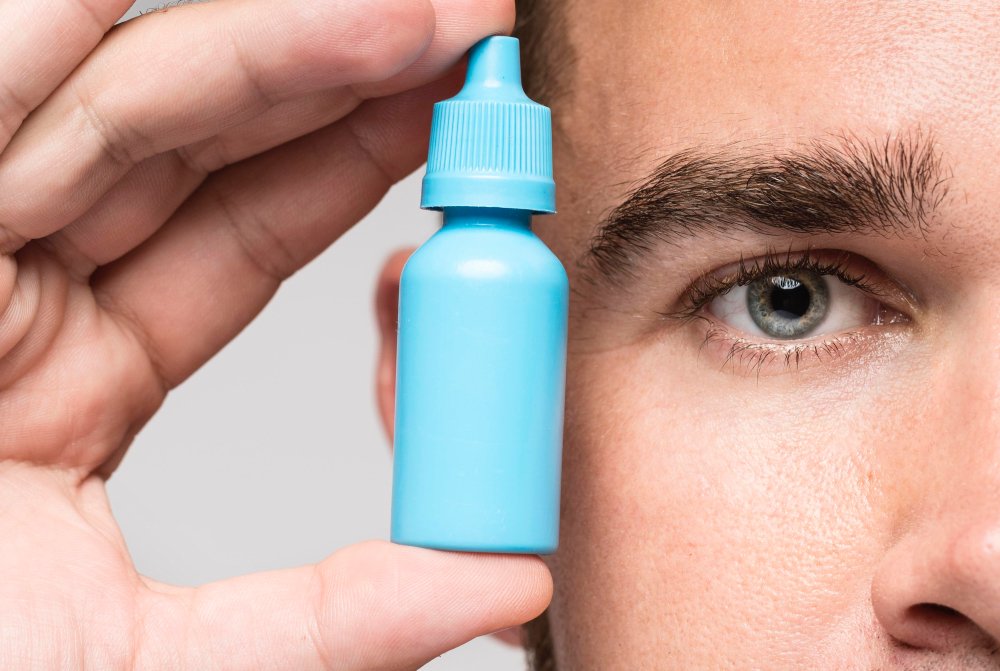
Over-the-counter artificial tears can provide short-term relief but often do not address the root cause. Treatment that suits one patient may not work for another because dry eye is not the same condition in every individual. Management may include warm compresses and eyelid hygiene to unblock oil glands, lubricating eye drops for comfort, omega-3 supplements to improve tear quality, short-term anti-inflammatory drops to reduce irritation or punctal plugs for severe dryness to slow tear drainage. Behavioural adjustments such as blinking exercises and screen breaks are also important for office workers.

Lifestyle corrections have a strong impact.
Small changes such as taking regular screen breaks, keeping indoor humidity comfortable, staying hydrated, blinking intentionally during long working hours and protecting eyes outdoors from dust and wind all contribute to long-term relief.
Dry eye does not always improve on its own. If symptoms continue for weeks or interfere with daily tasks, it is important to consult a specialist rather than self-medicating with random eye drops. Targeted treatment provides comfort, protects the eye surface and prevents long-term complications.
Dry eye disease may be widespread, but it is also highly treatable. With the right diagnosis and personalised care, patients can return to clear and comfortable vision.
Jeevan Sparsh Eye Hospital focuses on identifying the cause of dryness and tailoring treatment to individual lifestyle and eye needs, helping patients recover comfort rather than simply manage symptoms temporarily.
Schedule a digital eye health assessment with us today!
We’re here to help your vision thrive in a screen-first world.